Food and Shopping in Amsterdam is an episode in two halves. We begin with Stroopwafel, Heineken, herring, rijstafel and more, an overview of foods to try; the street snacks you’ll want to taste, the Dutch specialities to look out for in restaurants and a brief introduction to the city’s favourite ethnic cuisine, namely Indonesian. If you don’t know your drop from your rijsttafel, help is at hand. After a brief word on bier and jenever (Dutch gin) and a mention of the Heineken Experience and the city’s Brown Cafes, it’s time for a look at shopping in Amsterdam: a tour of the markets and a visit to the two best areas for wandering, browsing and maybe making a purchase or two.
savoury snacks

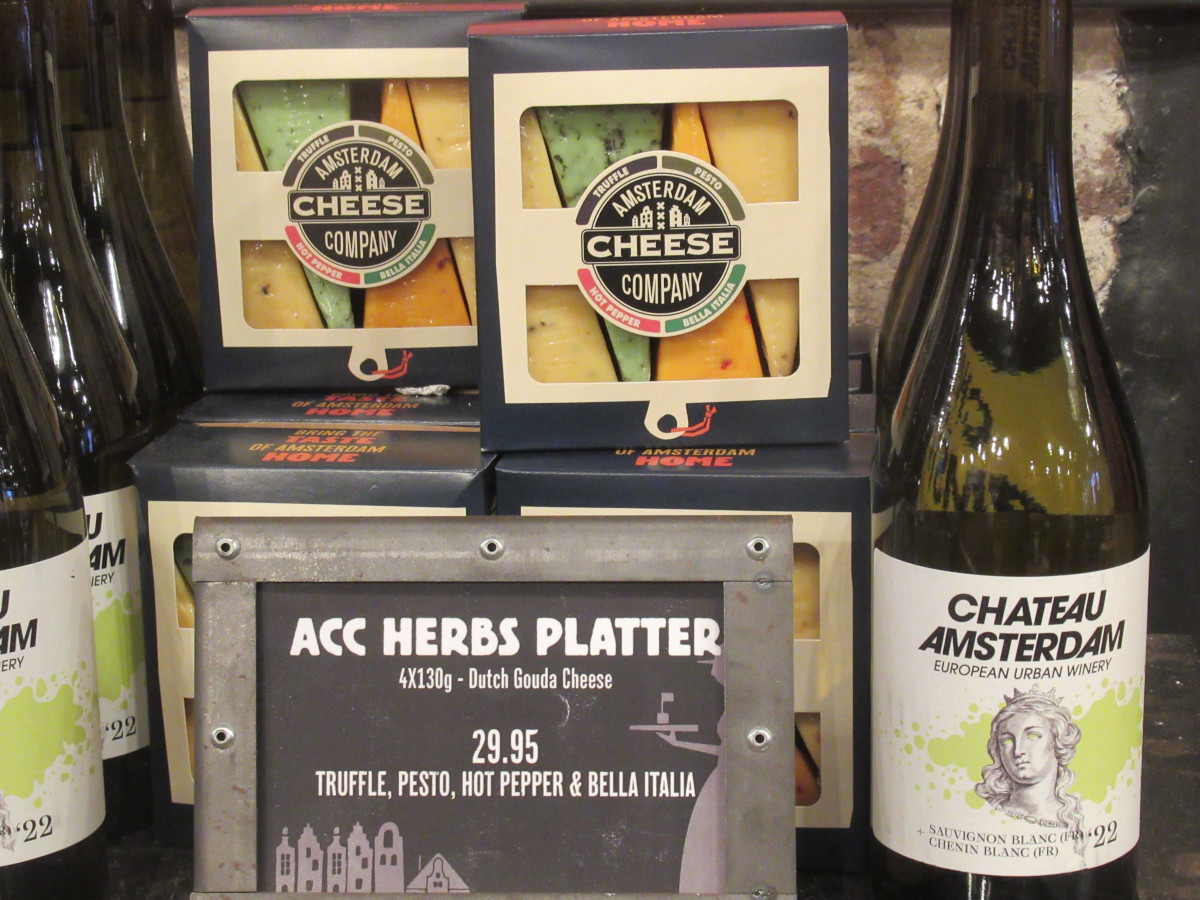
You’ll certainly want to sample Edam and Gouda and find out what the authentic versions taste like. For those and 400 other cheeses, head for the Kaaskamer – it means ‘Cheese Room’ – in the 9 Streets area. Herring has been an Amsterdam speciality since the city’s fishermen first worked out how to cure it and built such a lucrative industry out of exporting it that the Dutch food writer Johannes van Dam wrote ‘The silver from the sea gave the Dutch the Golden Age’. Buy it from Haringhandels all over the city, preferably between May and July when it’s said to be at its sweetest.
Try Bitterballen, meaty, deep-fried balls often served with mustard, available in bars and from take-away stands. Kibbeling, deep-fried, battered fish morsels are another common snack, as are the ubiquitous frietjes, ie chips, but don’t be surprised if you are offered mayonnaise, curry sauce or peanut sauce alongside. Finally, Zeeland mussels are world famous, traditionally served with chips and mayonnaise, ideally in season, which means from September to March.
meals
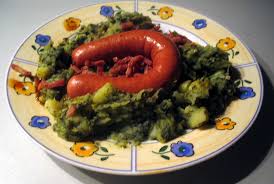
Nothing could be more Dutch than Stammpot, made from potato mashed with other vegetables – think sauerkraut, carrots, kale – and, if its Stammpot met rookworst, served with a large smoked sausage. Snert is a cross between soup and stew, largely green because it’s made with split peas, celery and leeks, perhaps with some pork added and traditionally served at outdoor events, making a good warmer after, say, ice-skating on frozen canals.
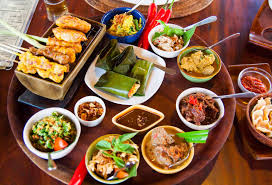
The most popular ethnic cuisine is Indonesian, especially rijsttafel, meaning ‘rice table’. The Amsterdam Foodie website gives lots of restaurant recommendations, plus a useful definition. Rijstafel, it says, means ‘dozens of small, shareable dishes ranging from mild to spicy, in all colours of the rainbow, served with rice. It’s a great way to try lots of dishes in one meal. Satay skewers – generally chicken and goat – are a staple, as are various curries (meat and fish), boiled eggs in spicy sauces, vegetables in peanut sauce (wonderfully named gado-gado) and fried bananas’. The rice varies too, perhaps nasi goreng (fried rice), nasi kuning (Indonesian yellow rice) or nasi uduk (rice steamed in coconut milk)
sweet treats
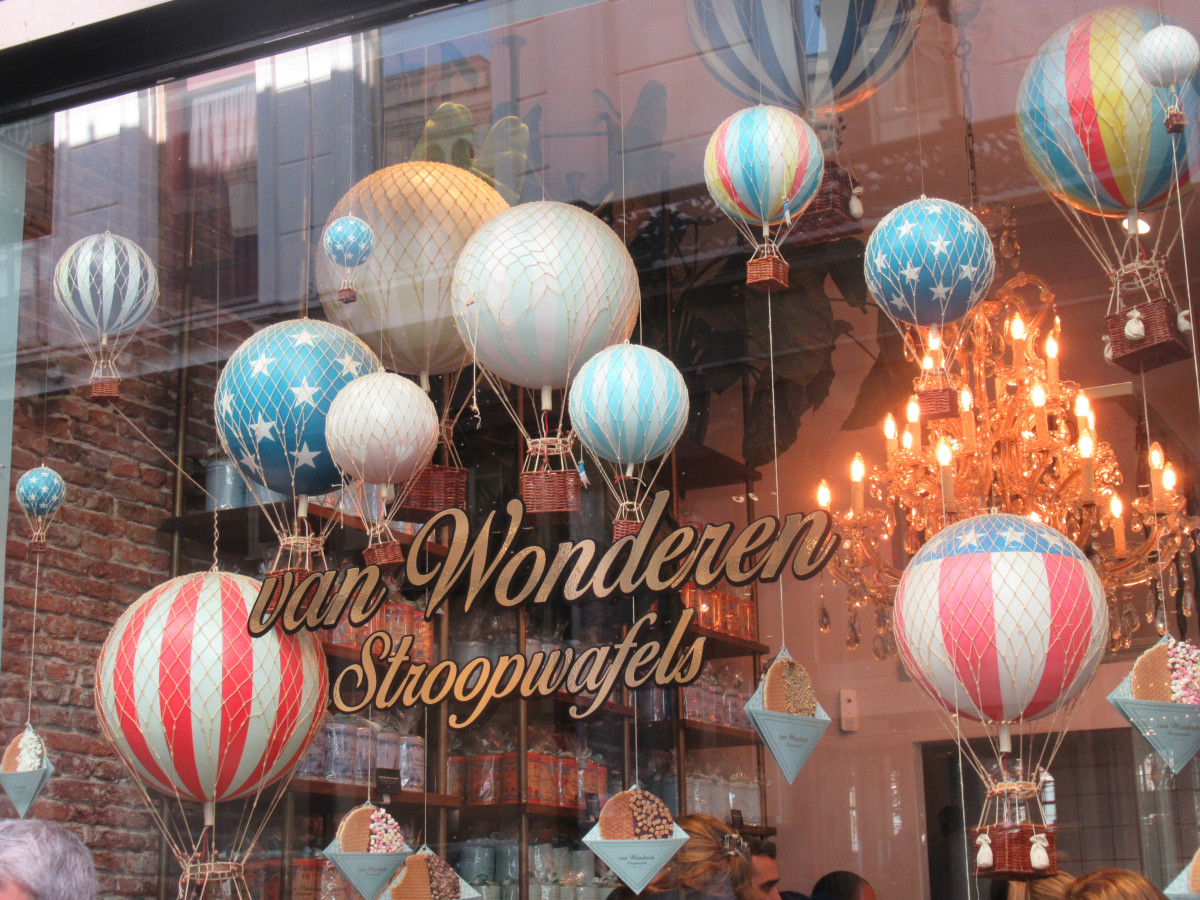
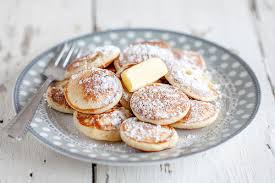
Appletaart is as Dutch as can be, as are pancakes, as per this post from the I Love Amsterdam website, where you will find a list of suggestions for places to enjoy them: ‘Every day is Pancake Day in Amsterdam! From syrupy stacks topped with bacon to a bag of hot buttery poffertjes from a street vendor sprinkled in powdered sugar.’ Then there are stroopwafel, literally ‘syrup wafers’, best eaten hot from a street vendor or from Wonderen Stroopwafel, a century-old family business which sells over a million a year.
Don’t miss drop, or liquorice, of which the Dutch eat more per head than anyone else worldwide. The speciality shop to seek out is Het Oud-Hollandsch Snoepwinkeltje, where wooden shelving holding a vast array of glass jars will take you back a century or more. Choose – if you can! – then have your sweets poured into a paper cone to take away. You can also buy liquorice everywhere, at markets, in supermarkets and department stores. It comes in dozens of flavours, from salmiak, the classic salty version to the sweet-tasting honingdrop and it’s a topic best discussed with a knowledgeable shop assistant who will help you through the maze.
brown cafes
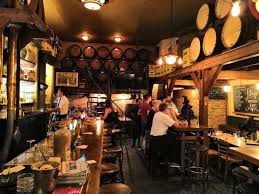
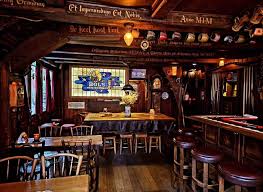
We like the definition from the amsterdam.sights.com website: ‘A bruin (“brown”) café is similar to a pub. What the pub is for the Londoner, the brown café is for the Amsterdammer. They are casual, neighbourhood gathering spots, where people meet looking for a drink, a snack and friendly conversation.’ It lists 17 of the best! Inside a brown café you’ll find a bar with high stools, often a stamtafel’, a table where the regulars like to gather, maybe a billiard table. Drinks-wise, expect a variety of beers on tap, jenever, probably tea and coffee, maybe snacks. If you’re wondering about the ‘brown’, that’s said to be linked to the tobacco stains frequently found on the floors, ceiling and wood-panelled walls.
3 Brown Café recommendations
Café Chris (Bloemstraat 42) opened as a beer house in 1624, so it’s the oldest café in the Jordaan area.
Café Slijterij (Utrechtstraat 140) opened in the 19th century, but is in a building dating from 1735 which was the original HQ of the East India Company. It’s even said to be haunted!
Café Hoppe (Spui 18-20) is another traditional brown café, originally a gin distillery and where an annual Herring Party is held in June to celebrate the first catch of the new season.
beer and jenever
Jenever and Beer
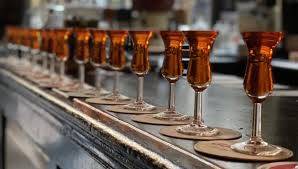
Jenever is the Dutch version of gin, flavoured with juniper berries and drunk neat, often from tulip-shaped glasses so full you have to bend down over the glass to take the first sips. A kopsfoot or ‘knock on the head’ is a beer followed by a chaser of jenever.
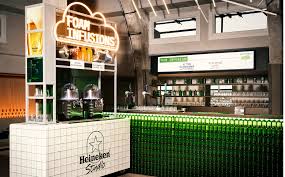
Amsterdam = beer = Heineken. The brewery first opened here in 1864 and now sells its product in 170 countries. Founded by Gerard Adriaan Heinekn, it won a Grand Prix at the Paris Expo in 1889 and was soon supplying the Eiffel Tower. A few generations later, the advertising genius Alfred Henry Heineken remarked of his success ‘I don’t sell beer, I sell enjoyment’. Brewing stopped at the original site in 1988 and it’s now The Heineken Experiencewhere you can take a variety of tasting tours. There are alternatives, for example Brouwerij which has been brewing craft beers for over 40 years and for a fuller list of Amsterdam breweries see here.
market shopping
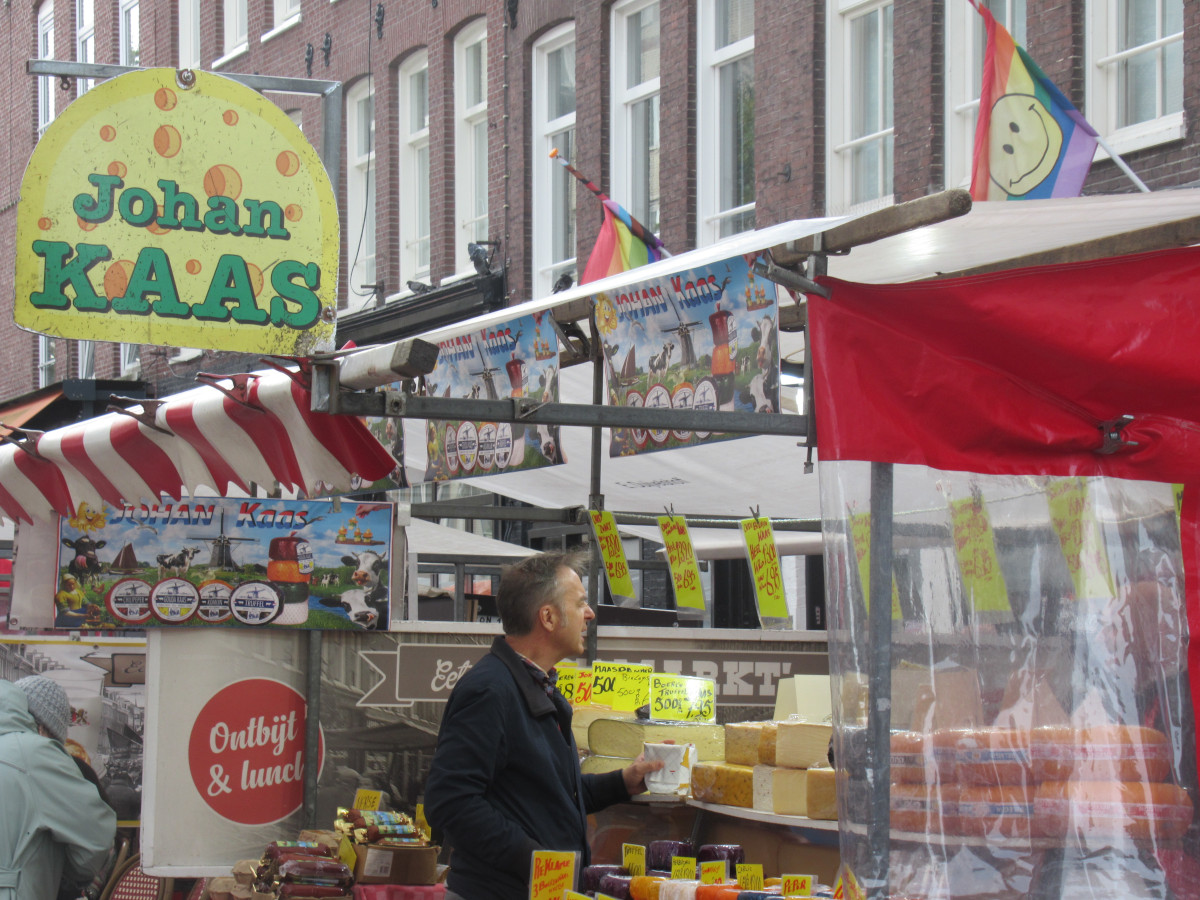

The Albert Cuypmarkt, over 100 years old, is the largest outdoor market in the Netherlands, open every day but Sunday with at least 260 stalls It’s in the lively ‘de Pijp’ district, surrounded by artisan shops and busy cafes. Here you’ll find everything from food – fruit, veg, cheese, meat and fish – to bicycle repairs, via clothing, souvenirs and household goods. There’s a wide choice of takeaway snacks too, from raw herring and fried potatoes to stroopwafel and poffertjes. Oh, and at least one stall selling cannabis lollies in all sizes and strengths.
The Noordermarkt, clustered around the Noorderkerk, dates back to the 17th century. Its diverse range of products includes antiques and curiosities, books and prints, textiles, vintage clothing and jewellery and at least one flower stall. On Saturdays it’s also an organic food market, full of stall holders who’ve brought their products in from all over the surrounding countryside.
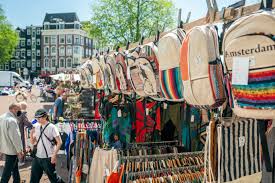
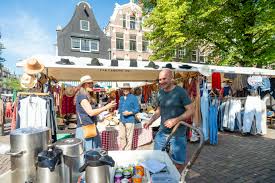
A visit to the Bloemenmarkt, the city’s flower market, is a very Amsterdam experience. It dates back to 1862, when growers brought their flowers into the city on barges, then moored them here like pop-up shops. It is still Europe’s only floating market. It overflows with flowers and bulbs, the latter best bought between the end of August and December, but is also a good place to find souvenirs such as little wooden tulips, mini clogs and Dutch cheeses.
The Waterlooplein is Amsterdam’s main flea market, open from Monday to Saturday and the best place to rummage through a vast selections of vintage everything, including clothes, books, music and antiques, and to sample all different kinds of snacks from the take-away vans parked here, there and everywhere.
On King’s Day, a national holiday celebrated on or around April 27th, there’s a city-wide vrijmarkt, or ‘free market’ when anyone can set up a stall. Some offer vintage clothes or books, others will be selling handmade jewellery or home-baked treats. On the same day, in the Vondelpark, it’s over to children who, for one day only, are allowed to set up their own stalls. Expect to be offered toys or homemade lemonade or perhaps to make a donation in return for witnessing some newly perfected magic tricks.
2 amsterdam shopping areas
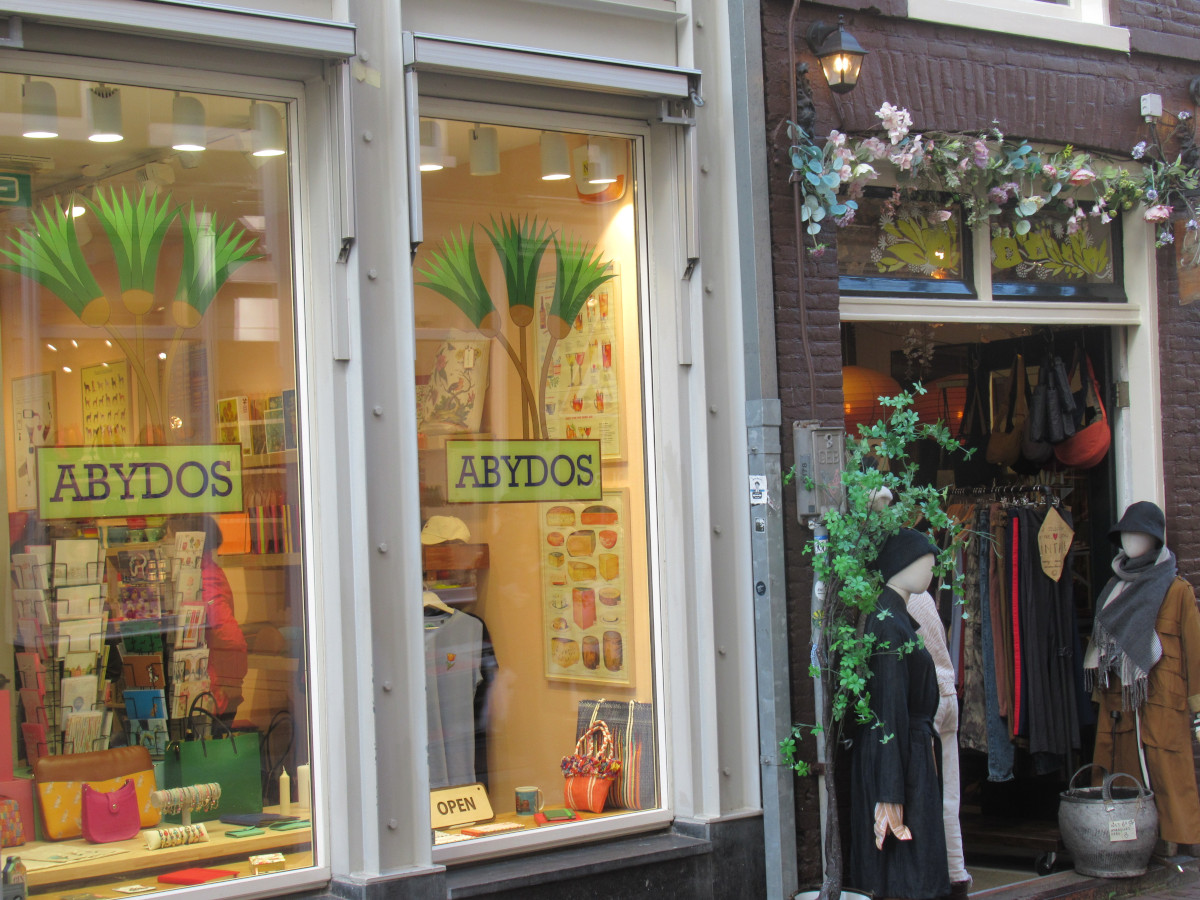
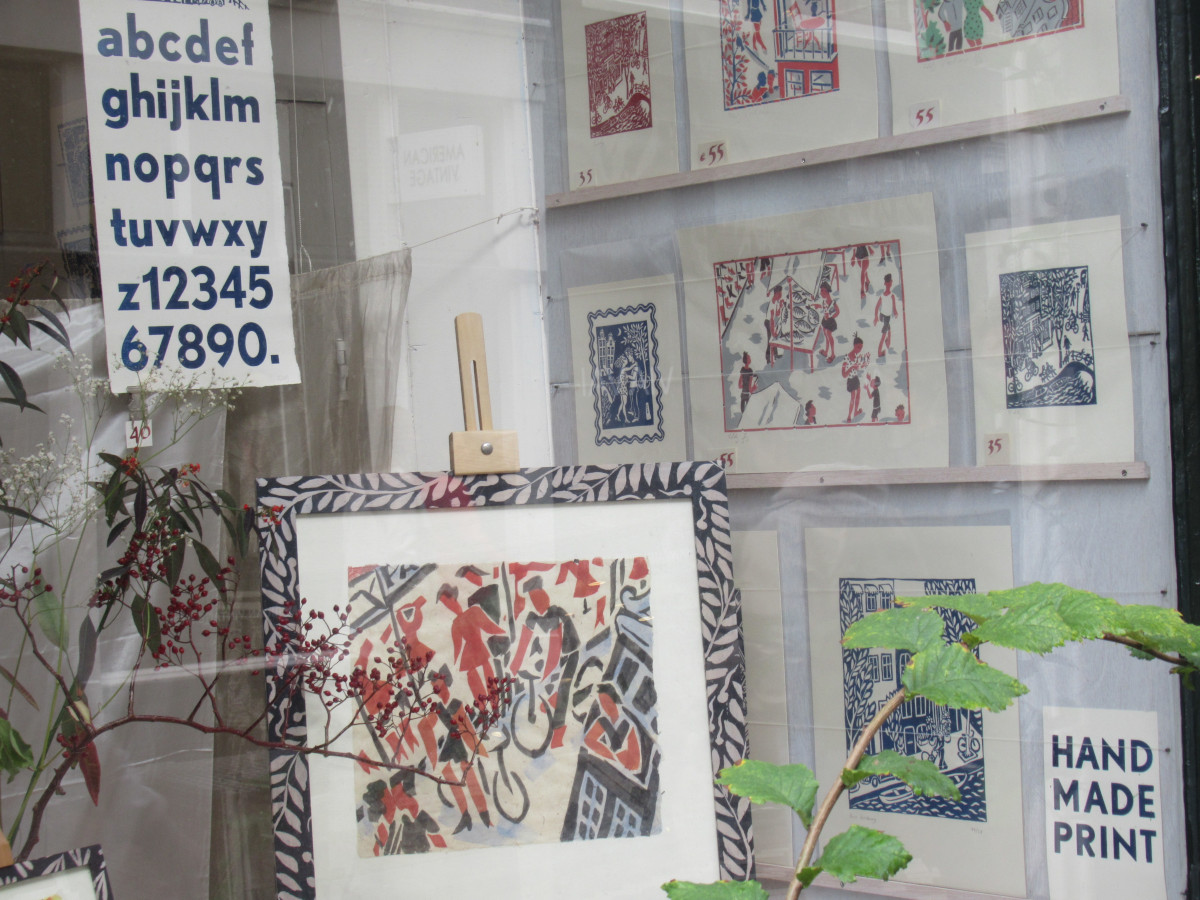
9 Straatjes, or ‘the 9 streets’, a criss-cross of picturesque small streets and canals where what used to be workers’ houses have been turned into some 250 independent shops, galleries, museums and places to eat. Its website explains that ‘this special and unique part of the Canal Belt goes from mishmash to chic and from ethnic to antique, vintage and contemporary’. If you seek quirky fashion, food or gifts, you’ll find them here and among the nearby museums of interest are the Huis Marseille (photography), the Canal Museum on Keizersgracht, the Embassy of the Free Mind (a library of antique books) and the Bible Museum.
The Spiegelkwartier is a little area between the Rijksmuseum and Herengracht, where you can wander among 17th century houses and find more than 70 antique shops and galleries, full of paintings, ceramics, glass, jewellery, furniture, and other collectables.
Listen to the podcast
links for this post
Kaaskamer
Amsterdam Foodie post on Indonesian restaurants
I love Amsterdam post on pancake houses
Wonderen Stroopwafel
The Old Dutch Candy Store
Café Chris
Café Hoppe
The Heineken Experience
Brouwerij
Best Breweries to visit in Amsterdam
Amsterdam Sights post on brown cafes
Albert Cuypmarkt
Noordermarkt
Bloemenmarkt
Waterlooplein Flea Market
The 9 Streets
The Spiegelkwartier
Previous Episode Tulips and Diamonds
Next Episode An Amsterdam Anthology
Last Updated on January 6, 2026 by Marian Jones