Our Munich series takes in all the main city sights and delves into its history, from medieval beginnings to its 19th century heyday as a cultural centre and home to some of Europe’s most eccentric monarchs. We look too at the city’s role as the ‘capital’ of National Socialism, as well as its connections to fields as varied as art, music, literature, sport ….. and beer!
The 14 episodes in our City Break Munich series bring you all the background history and culture you need to fully understand this intriguing city. In short, here is all the research you’d do yourself if only you had the time.
Each episode centres around a podcast, available here or on all the usual providers. As a minimum, you’ll also find an introductory summary plus useful links and ideas for further reading. Eventually, there’ll be full blogpost with lot more information and pictures.
MUNICH : HISTORY & CULTURE
EPISODE 1: Introduction to Munich
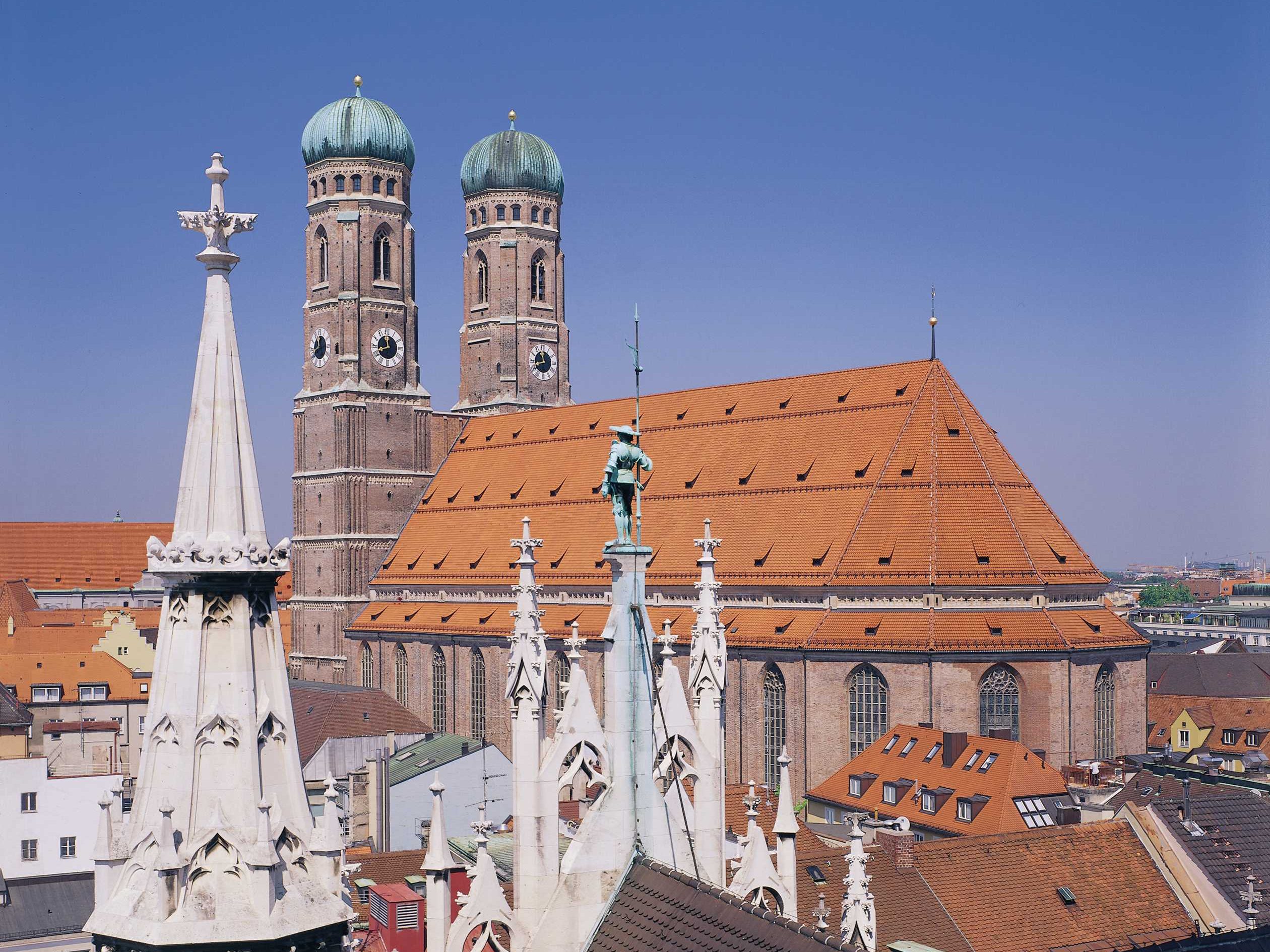
Our Munich series explores the city’s best-known sights while tracing its story from its medieval roots through its 19th century golden age, when it became one of Europe’s leading cultural centres and was ruled by some wonderfully unconventional monarchs. We also examine Munich’s dark history as the ‘capital’ of National Socialism, alongside its influence and importance in areas ranging from art, music and literature to sport ….. and, of course, beer!
EPISODE 2: The Residenz
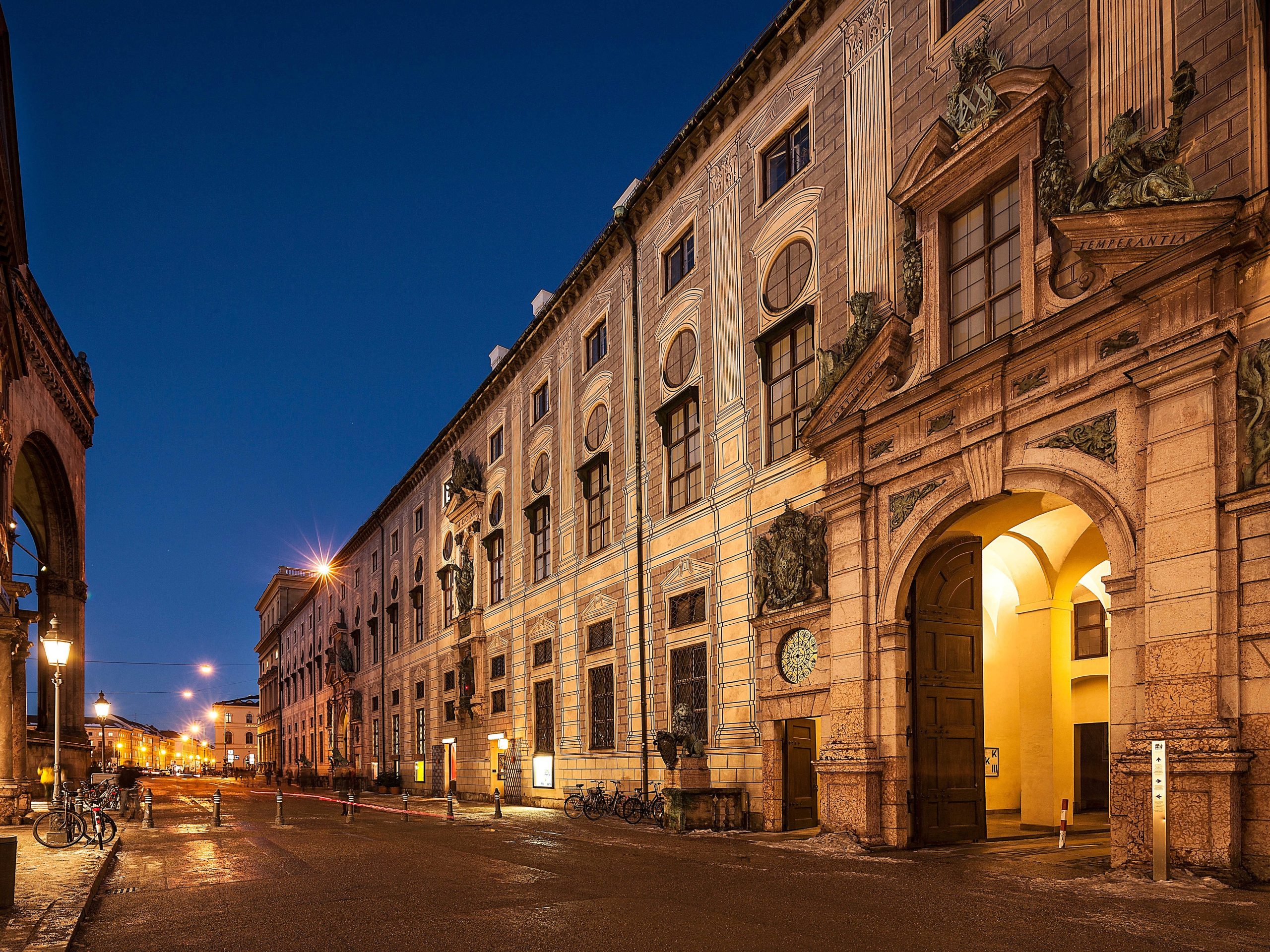
A brief history of Munich’s most visited tourist attraction, the Residenz, is followed by tips on what is most worth seeing, such as the grottos where 19th century ball-goers did their eating, meeting and greeting and the Treasury with its crowns and ostrich-egg-holder. Then we introduce the Wittelsbach family, who ruled Bavaria from this palace between 1180 and 1918, and who will keep popping up in future episodes. Find out about the king doomed by an extraordinary love affair with a con girl and his grandson who shied away from busy Munich, preferring to retreat to his bejewelled boudoirs in the depths of the Bavarian forests.

EPISODE 3: Schloss Nymphenburg
Find out which baby Wittelsbach had the Nymphenburg Palace built in his honour and which family member built a hermitage in the garden to make up for a lifetime of revels. Discover such highlights as the picture gallery filled with portraits of Ludwig I’s favourite women and the hunting lodge with its own hall of mirrors. Then meet two colourful personalities linked to Schloss Nymphenburg. Ludwig I was famous for his magnificent building projects and enthusiastic patronage of the arts, but Lola Montez was his eventual downfall: enigma, beauty, drama queen, con girl, pampered mistress, of whom the besotted Ludwig said, she ‘gave up everything for me.’

EPISODE 4: Ludwig II
Ludwig II, the flamboyant and ultimately tragic King of Bavaria who reigned from 1864 to 1886, is remembered for his physical beauty, but also for his strange behaviour. He often retreated from Munich to the Bavarian forest, where he enjoyed midnight sleigh rides and dreamed up the ever-more-extravagant decorating plans for his fairy-tale castles. His declining mental health and increasingly remote behaviour led to him being declared mentally unfit to rule. The circumstances of his unexpected and suspicious death have never been fully explained, but the popularity of the sites around Munich related to him reminds us of this ‘most romantic, beloved and tragic monarch of modern times.’

EPISODE 5: Ludwig’s Castles
We’re going on a virtual tour of some of the fairy-tale castles built by Ludwig II in the Bavarian countryside so we can enjoy their magnificent, some would say insane, splendour. Hear about Neuschwanstein, believed to have been the inspiration for the castle in Disney’s Sleeping Beauty, and Linderhof, where even the hunting lodge was crafted from marble, crystal and mahogany and where the indoor trinkets included a life-sized peacock in Sèvres porcelain. Finally, there’s Herrenchiemsee, Ludwig’s splendidly deranged attempt to build a copy of the Palace of Versailles. The castles prove that, as one biographer wrote, Ludwig was ‘a unique phenomenon of his epoch.’
EPISODE 6: Marienplatz
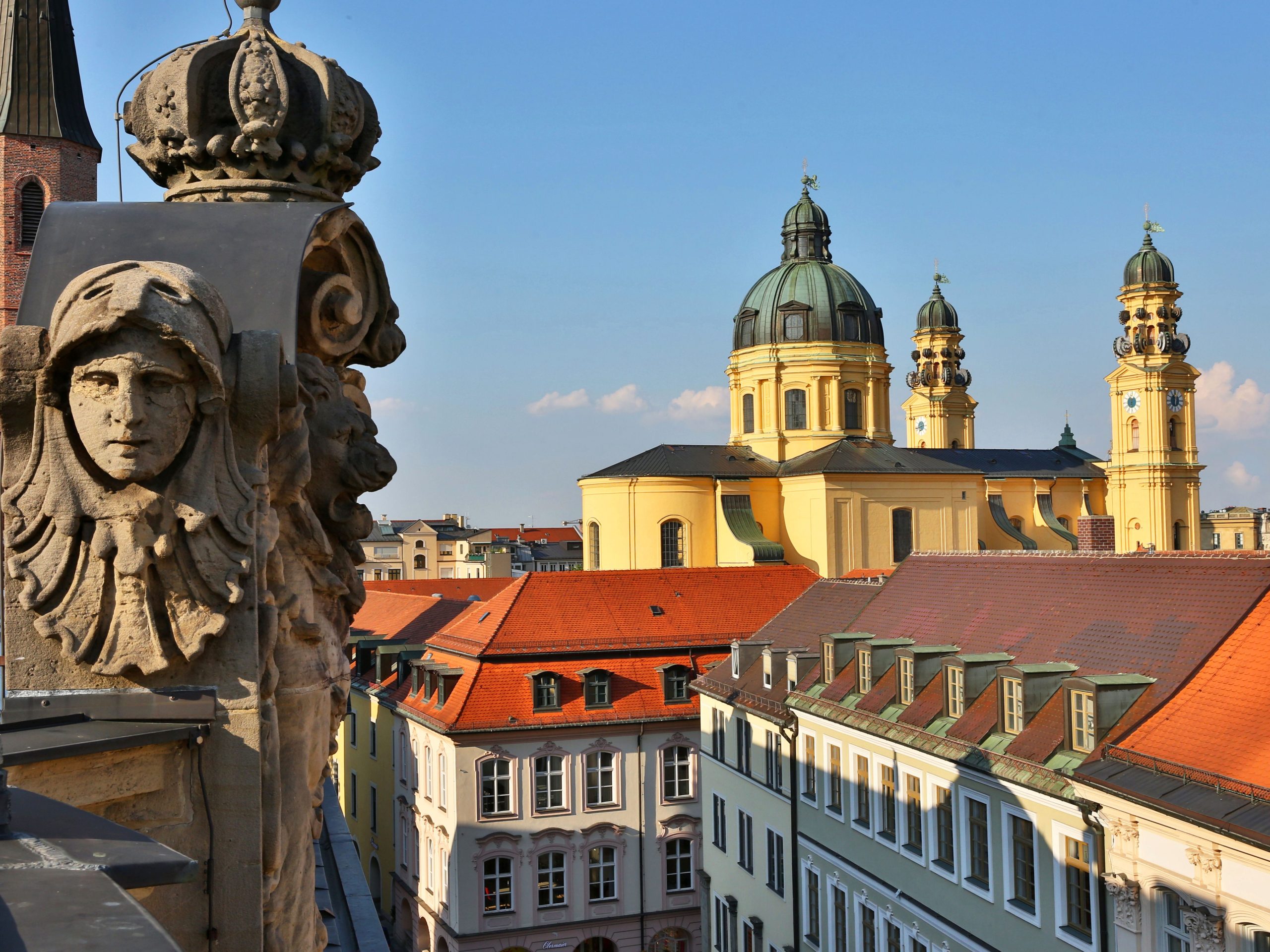
Starting in Marienplatz, hear about the two – yes, two – Town Halls and the quaint daily marionette shows: why does the blue-and-white knight always win the daily jousting competition and what are the coopers frolicking about? Then we visit the Peterskirche (Munich’s oldest church) and the Frauenkirche (her biggest), plus others offering sunny, Italian-feel baroque, the dank crypts of the Wittelsbachs and the vanity project of two brothers with plenty of money and a taste for the extravagant. You’ll find out where and why the devil stamped his foot and which bell tolled when there was to be a public hanging. Lastly, we’re off round the Englischer Garten, one of Europe’s very largest city parks.
EPISODE 7: The Rise of Hitler
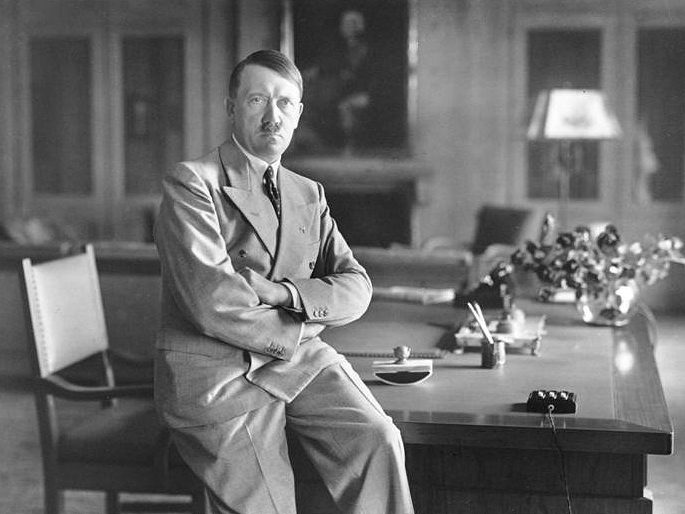
Episode 7 tells the story of Munich’s connection with Hitler, from his arrival in the city in 1913 until the start of World War 2 in 1939. How did Munich come to be known as the ‘Hauptstadt der Bewegung’, or ‘Capital of the (National Socialist) Movement’? Hear how a speech by Hitler in Munich’s Hofbräuhaus ended in bloodshed on Odeonsplatz in 1923, and about his ensuing trial and the prison sentence during which he wrote Mein Kampf. The last section mentions later connections between Munich and the Nazi party, including the Bavarian Film Company, Hitler’s friendship with Unity Mitford and the role played by well-known Munich sites such as the Hofbräuhaus, Odeonsplatz and Marienplatz.
EPISODE 8: World War II
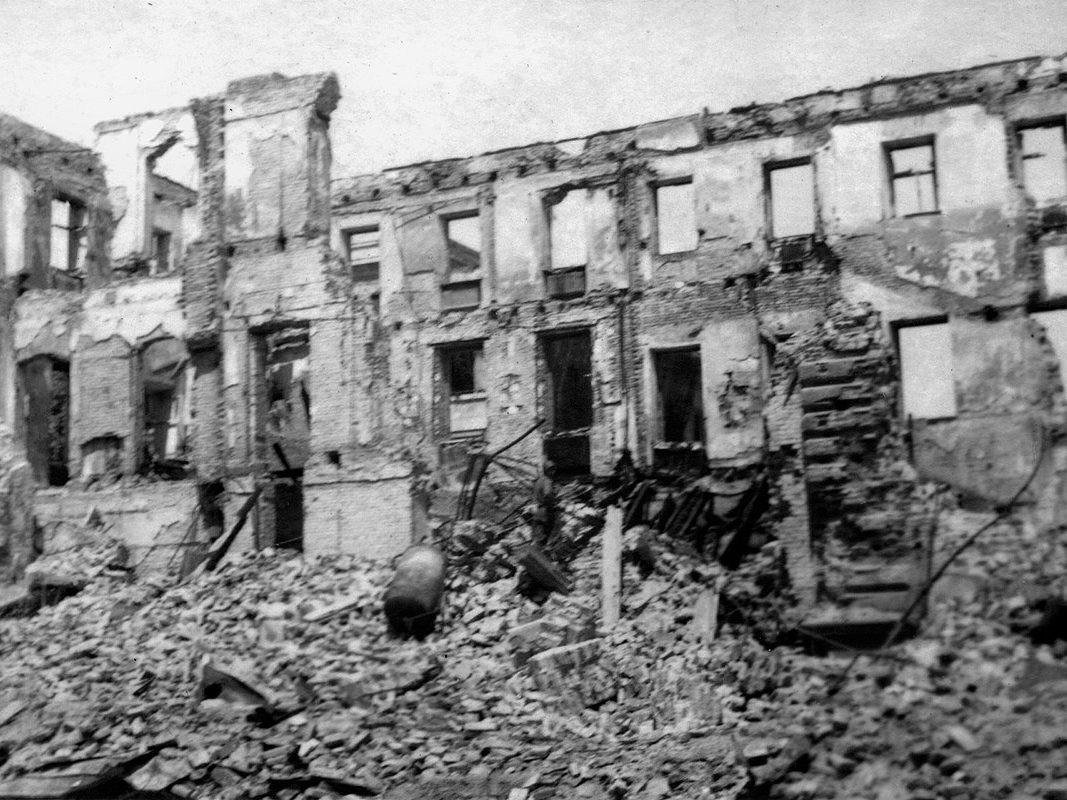
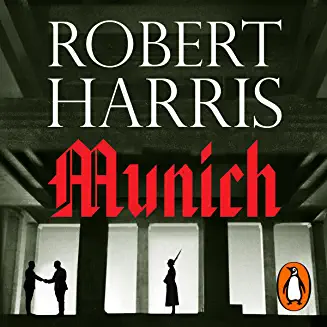
Episode 8 focuses first on places in Munich with connections to World War 2, such as the Stadtmuseum,the Dokumentationszentrum on Königsplatz, the Jewish Museum and the Dachau memorial site. Mention is made of two fictional works of great relevance; Robert Harris’s Munich, a fictional account of the Munich agreement in 1938 and Markus Zusak’s novel The Book Thief, set in a Munich suburb in 1939. Finally, hear about the devastation left at the end of the war, the painstaking efforts of the ‘Trümmerfrauen’ who cleared away an estimated 5 million tons of rubble, and the memorial plaque requesting that you ‘Pray and remember those who died under the mountains of rubble.’
EPISODE 9: Standing up to Hitler
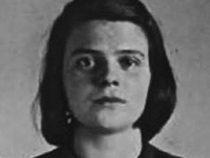
Hear about some of the Munich citizens who spoke out against Hitler, often with fatal consequences: the journalist Fritz Gerlich and churchmen Alfred Delp and Rupert Mayer. Discover too where, in today’s Munich, you can find traces of them still. More in-depth coverage is then given to the White Rose Resistance Group, Munich students led by Hans and Sophie Scholl, whose pacifist leafleting campaign ended in a show trial in a Munich courtroom and execution without appeal that same afternoon. There is material on their actions and their ideas, followed by pointers to the places in Munich where they are memorialised and an indication of the ways in which their plea for tolerance and respect for human dignity outlived them.
EPISODE 10: Art in Munich
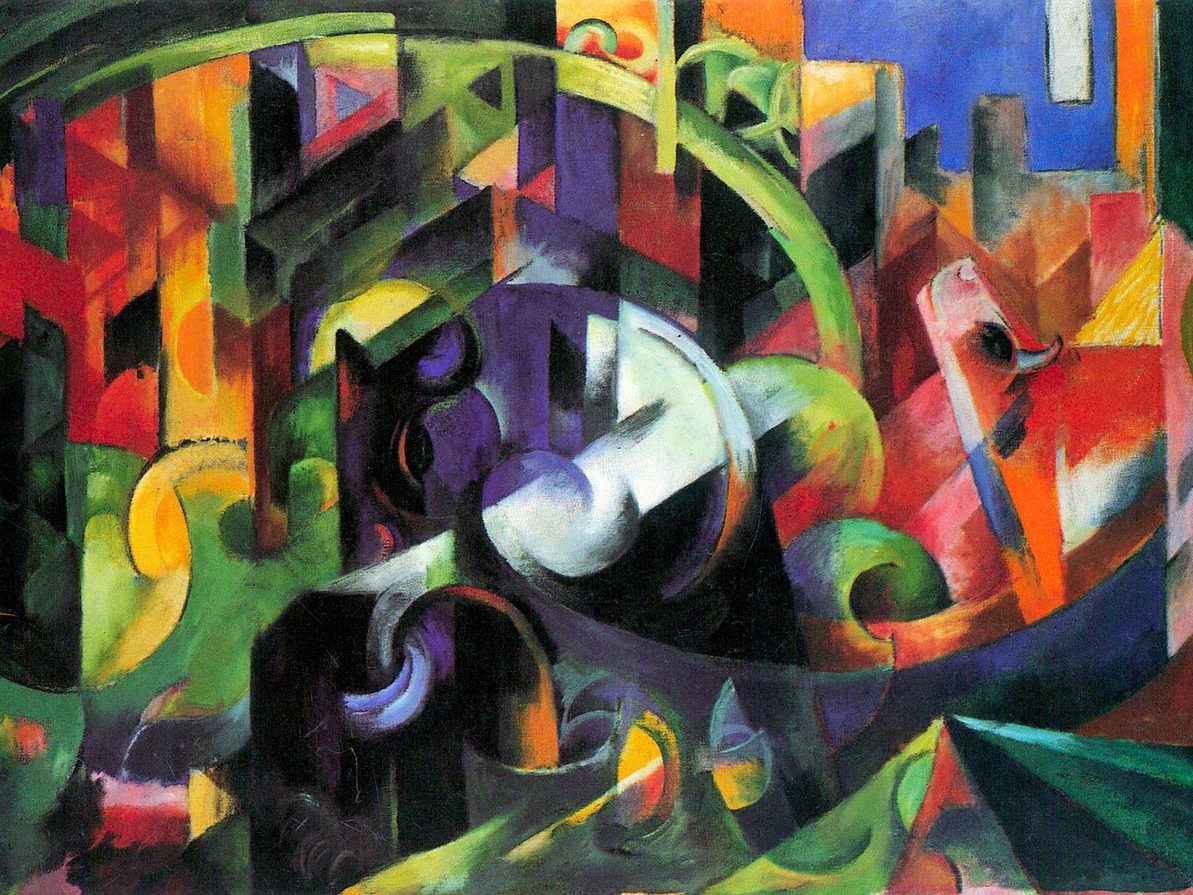
A brief history of art in Munich and information on its main art galleries and what to look out for there. Find out about works by Albrecht Dürer, Hams Holbein, the German Romantics like Caspar David Friedrich and the Blue Rider artists such as Wassily Kandinsy and Paul Klee. Hear too about propaganda art and the so-called ‘degenerate art’ of the Nazi period, which saw Hitler refer to the artists he thought subversive as ‘cliques of chatterers, dilettantes and art-frauds.’ Finally, hear the story of the Munich Art Hoard, culminating in the discovery in 2012 of Cornelius Gurlitt in his Munich apartment with huge quantities of art which had gone astray during the 1930’s and 40’s and which had been thought lost forever.
EPISODE 11: Music & Literature
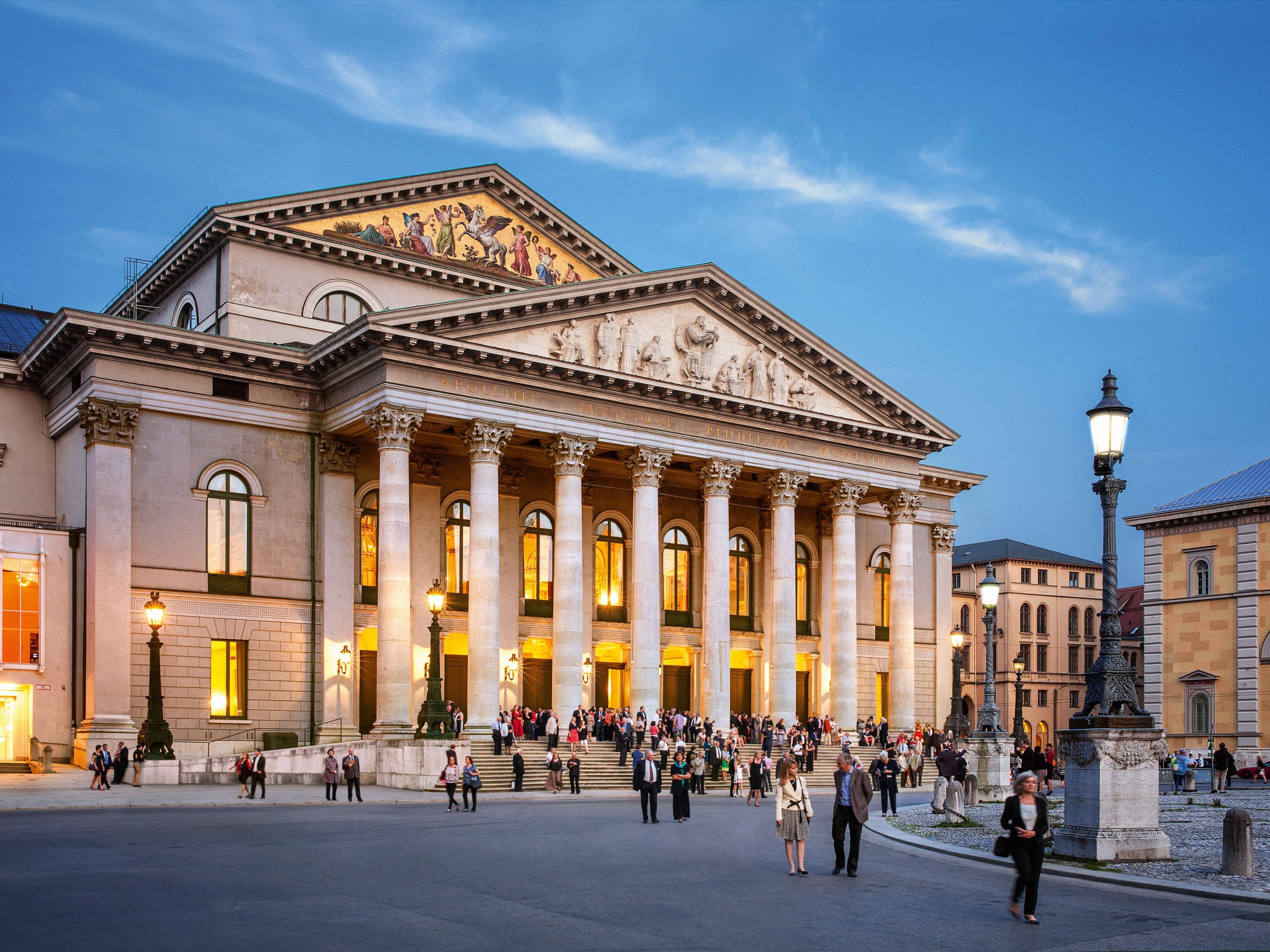
First, hear what Wagner, Mahler and Richard Strauss did in Munich and where you can still find traces of them today, followed by a rundown of the city’s current music scene, from Bavarian folk music to classical. Learn about the ‘Golden Age’ in Munich, from the late 19th to the early 20th century, with its café culture and iconic characters. Literary Munich is covered via the authors Heinrich Heine, whose statue stands in the ‘Poet’s Garden’ near Odeonsplatz, and Thomas Mann who settled in Munich after studying at the university and wrote all his most famous works there. Heine’s remark, uttered in 1823, that ‘Where they burn books, they will ultimately also burn human beings’ is one of the most quoted sentences in German culture today.
EPISODE 12: Sport
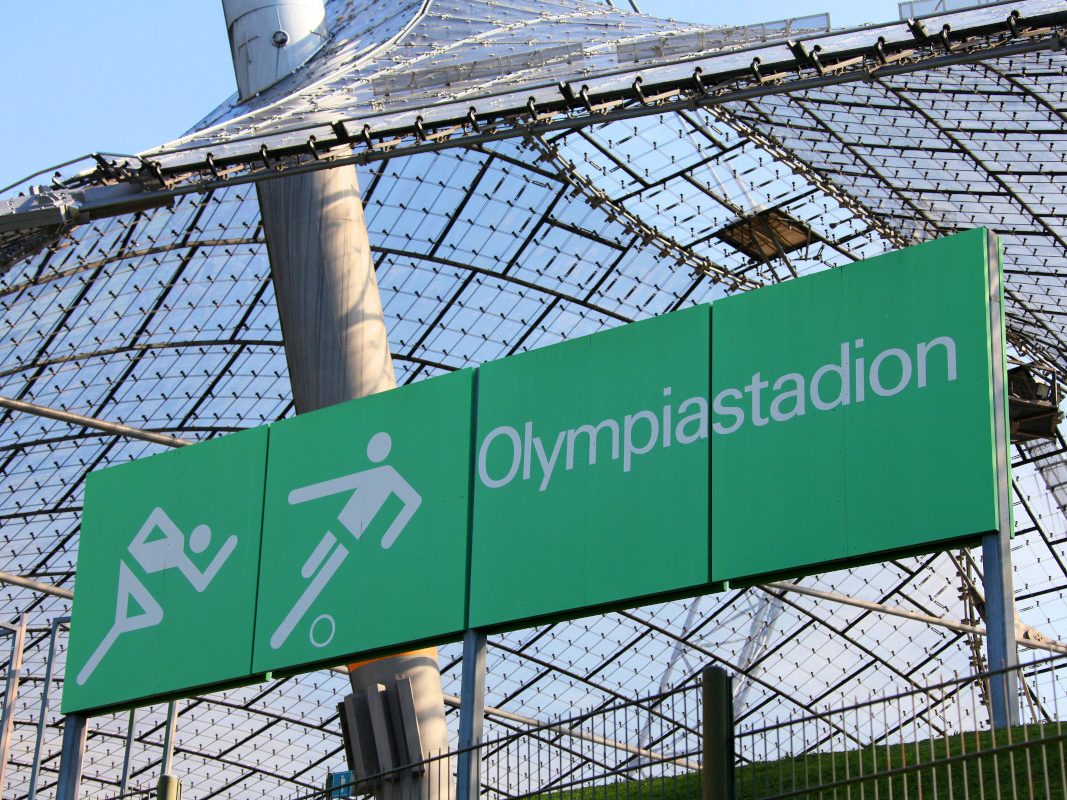
First, a brief history of Munich’s two great football clubs, Bayern Munich and TSV 1860, and the grand Allianz Arena, home to both teams. Hear too about the 1958 Munich Air Disaster, which cost the lives of over 20 people, including 8 Manchester United players and the 1972 Olympics, seen as a way for post-war West Germany to showcase its splendours to the rest of the world. The Olympic Park is still a major tourist attraction today, but things went catastrophically wrong when Palestinian terrorists took 11 Israeli athletes hostage in front of the world’s tv cameras. Finally, BMW, sponsors of the Munich Open Golf and Tennis tournaments, whose factory and museum, BMW Welt (BMW World) are both much-visited attractions today.
EPISODE 13: Food in Munich
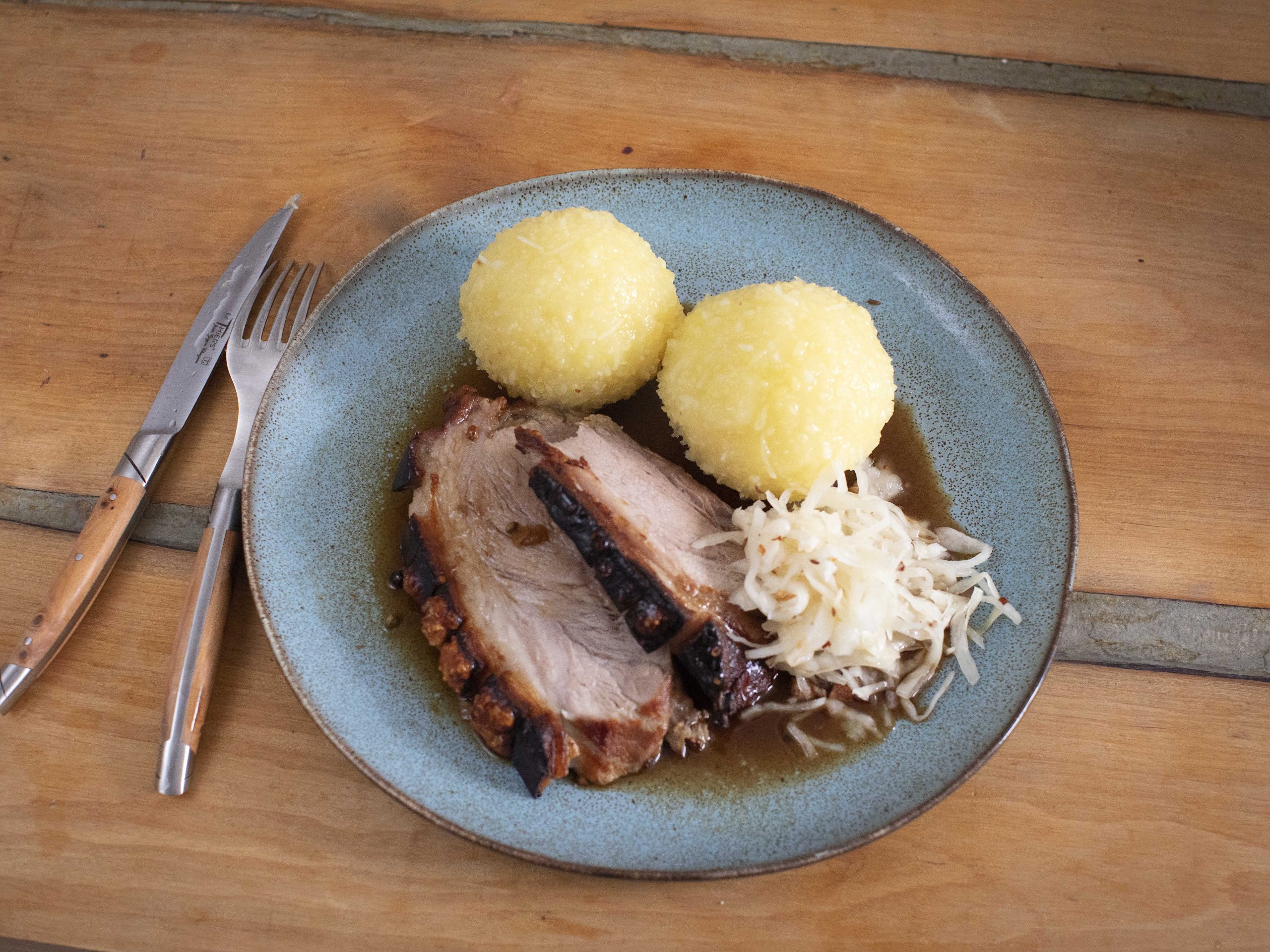
This episode is devoted to all things culinary in Munich, including Kaffee und Kuchen (coffee and cake) and the Viktualienmarkt,(food market) which is the gathering place for anyone wanting to buy local produce or enjoy Bavarian snacks like Weisssurst with mustard. Descriptions follow of some of Munich’s best-known dishes, including hearty meat-based meals like Schweinesbraten and Leberknödelsuppe, popular local vegetable dishes such as Sauerkraut, Rotkohl and the wide variety of local mushrooms – Pfifferlinge, Steinpilze – which are the base of delicious sauces. Of course Munich is a cosmopolitan city, but the emphasis here is on traditional, Bavarian cuisine and so we couldn’t resist a mention of the city’s museum dedicated to the humble potato, the wonderfully named ‘Kartoffelmuseum’.
EPISODE 14: Capital of Beer
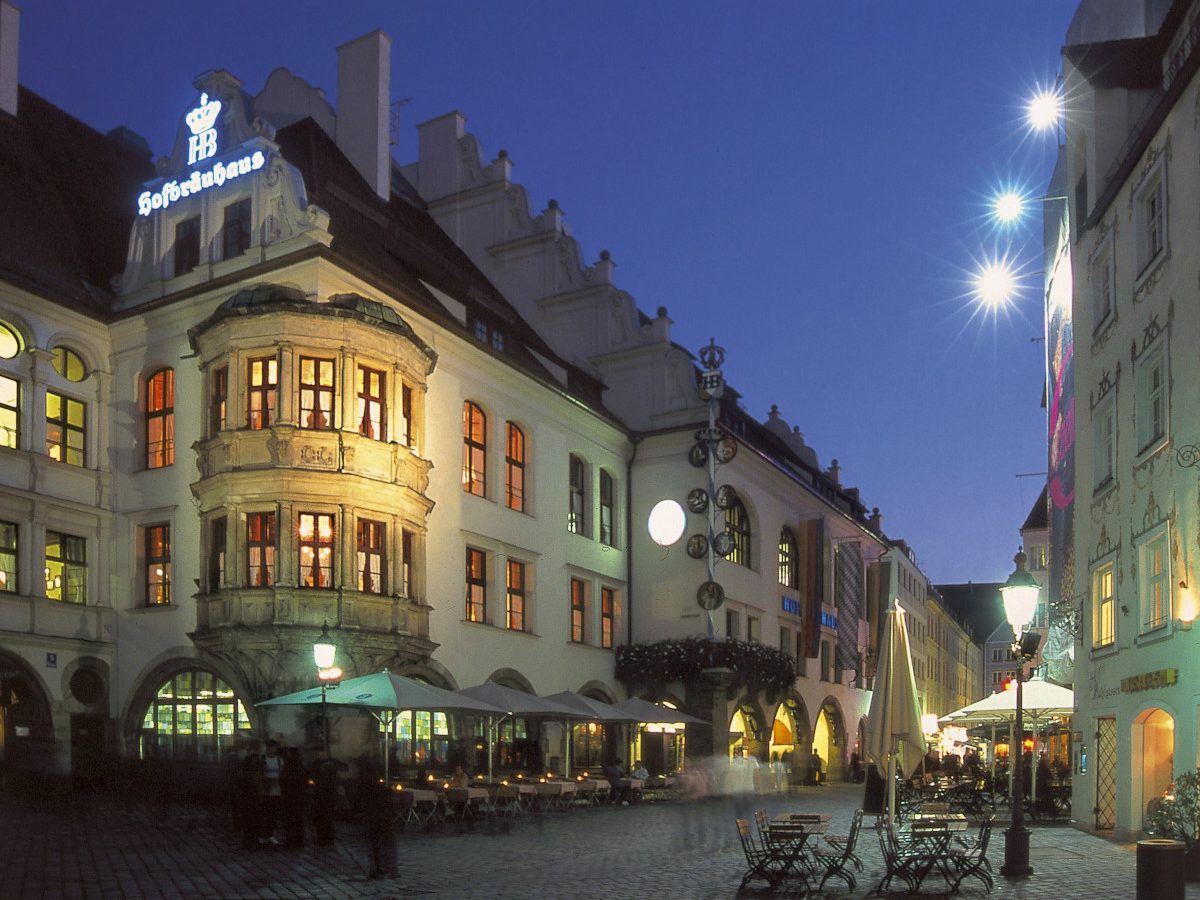
First, a brief history of brewing in Munich, from its beginnings in medieval monasteries, through royal patronage, the 19th century development of the craft on an industrial scale and, finally, the development of the 6 big breweries. Find out which brewery was started for his own personal use by a Wittelsbach monarch and why Löwenbräu has a lion as its symbol. Hear too about some of the city’s most popular beer gardens and what snack foods you should order if you want to drink your beer in proper Bavarian style. We finish with a visit to both Munich beer festivals and more ideas for further research: a museum for beer-lovers and ideas for a guided tour of the city’s breweries and beer halls. Prost!
Munich: LINKS AND READING
Useful websites for tourists
Munich Tourist Office
Munich Tourist Information
Simply Munich
5 useful guidebooks
Top 10 Munich (Dorling Kindersley)
Lonely Planet Munich, Bavaria and the Black Forest
Rough Guide to Munich and Central Bavaria
111 Places in Munich that You Shouldn’t Miss by Rüdiger Liedtke
Only in Munich A Guide to Unique Locations, Hidden Corners and Unusual Objects by Duncan J Smith
3 useful history books
Weimar and the Rise of Hitler by A J Nicholls
The Trial of Adolf Hitler by David King
Hitler’s Interpreter The memoirs of Paul Schmidt
6 Biographies
The Swan King: Ludwig of Bavaria by Christopher McIntosh
The Mad King by Greg King
Lola Montez, Her Life and Conquests by James Morton
Sophie Scholl by Frank McDonough
Sophie Scholl and the White Rose by Annette Dumbach and Jud Newborn
Hitler’s English Girlfriend The Story of Unity Mitford by David Rehak
2 novels set in Munich
Munich by Robert Harris
The Book Thief by Markus Zusak
2 Books on Munich’s Artistic Heritage
The Munich Art Hoard by Catherine Hickley
Munich, Its Golden Age, Art and Culture by Rainer Metzger
PODCASTS TO GET YOU STARTED


OTHER CITY BREAK IDEAS






LATEST ARTICLES


GALLERY
