Ok, so Stratford-upon-Avon is not actually a city, but as a town which punches well above its weight historically and culturally, we’re giving it an honorary place in the City Breaks collection. This mini-series, small but perfectly formed, will include all the things you’d expect: a little geographical and historical info by way of introduction, plus the cultural background to help you make sense of everything you are likely to visit. Stratford-upon-Avon, with its Tudor gabled houses, riverside setting, swans and boats, is really all about one thing – Shakespeare – and we’ll be ‘meeting’ him and ‘touring’ all the places connected to him. So, with no more ado and as the great man himself might have said, shall we wend?
get your bearings
Stratford-Upon-Avon is an old English market town of about 30,000 people, situated some 20 miles south of Birmingham and 85 miles – or a 3-day walk in Shakespeare’s day – north-west of London. Its name gives quite a lot away: ‘Strat’ is Old English for ‘street’, a ford is a place to cross a river and ‘avon’ used to be the word for a river.
The oldest part of town is around Holy Trinity Church where Shakespeare was baptised and where he is buried. Nearby is a grid pattern of small streets with names dating from the Middle Ages – Sheep Street, Chapel Lane, Bridge Street, Rother Street. Rother is an old word for cattle. The River Avon flows down the eastern side of the town – think swans, boats and the riverside setting of the Royal Shakespeare Theatre. That part is tourist central today, but it used to be an industrial area with warehouses and factories lining the river and canal.
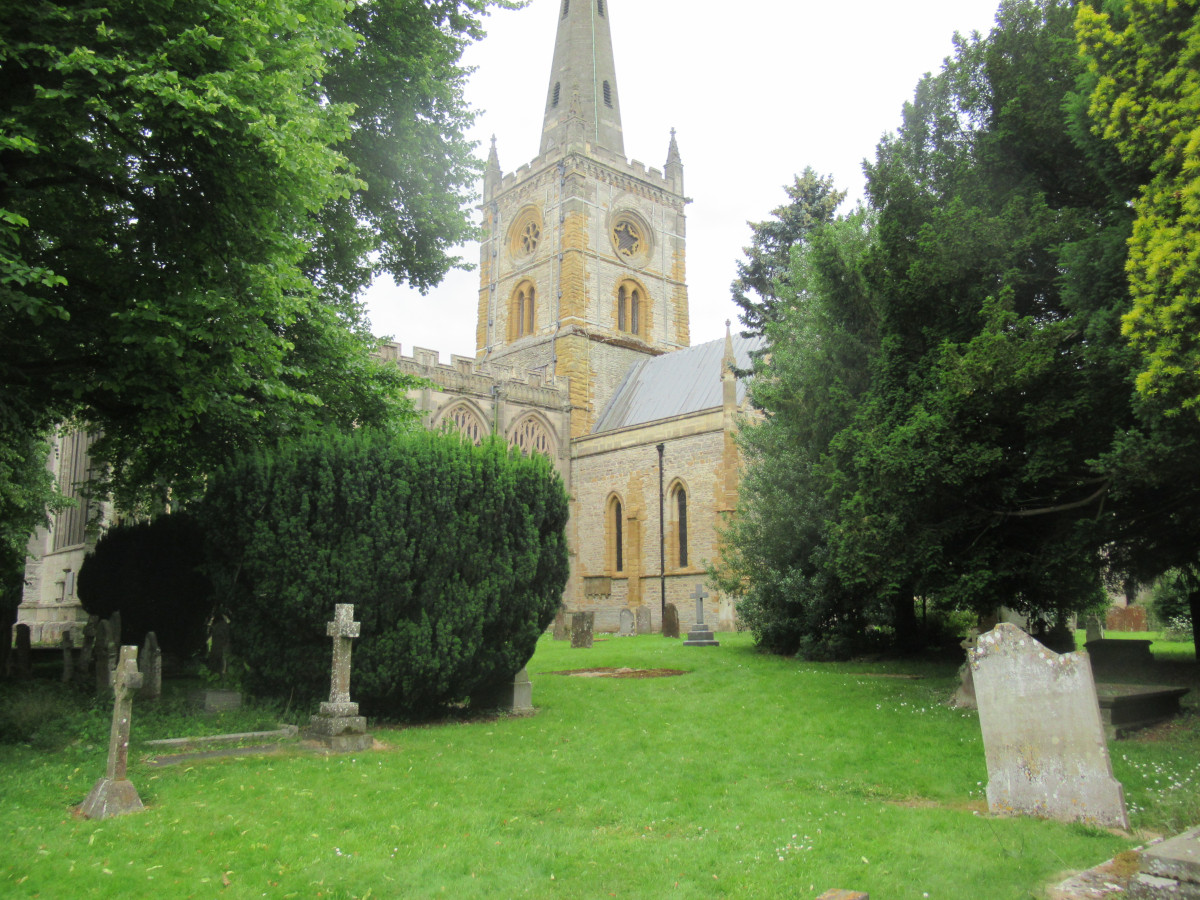
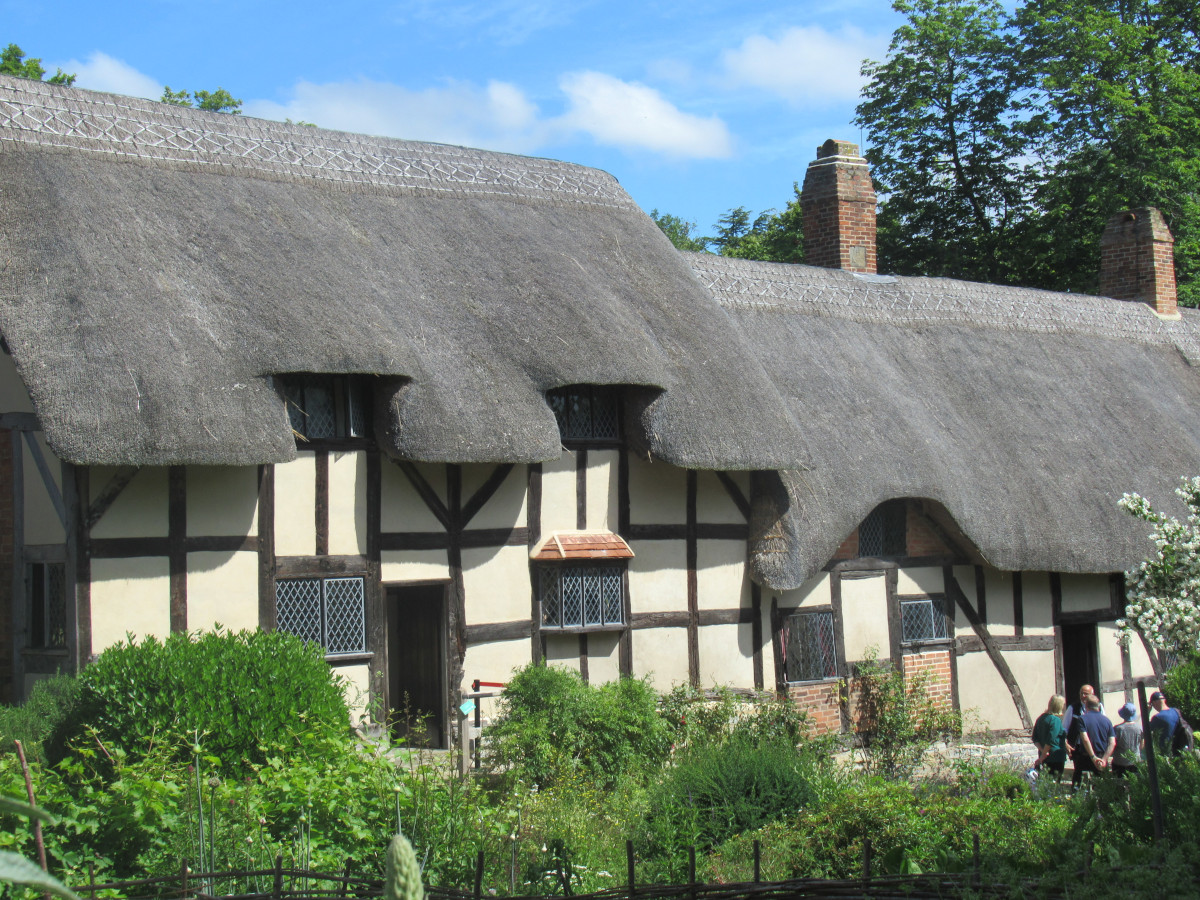
The main Shakespeare sites – his birthplace, his school, New Place which he once owned and Holy Trinity Church are within a few minutes’ walk of each other. There’s a footpath of about a mile leading west to Shottery, the site of Anne Hathaway’s cottage and a walk of about 3 ½ miles along the canal towpath to the west takes you to Wilmcote, home village of Mary Arden, Shakespeare’s mother. Today, you’ll find Mary Arden’s farm there. All the places connected to Shakespeare are owned and managed by the Shakespeare Birthplace Trust.
a little history
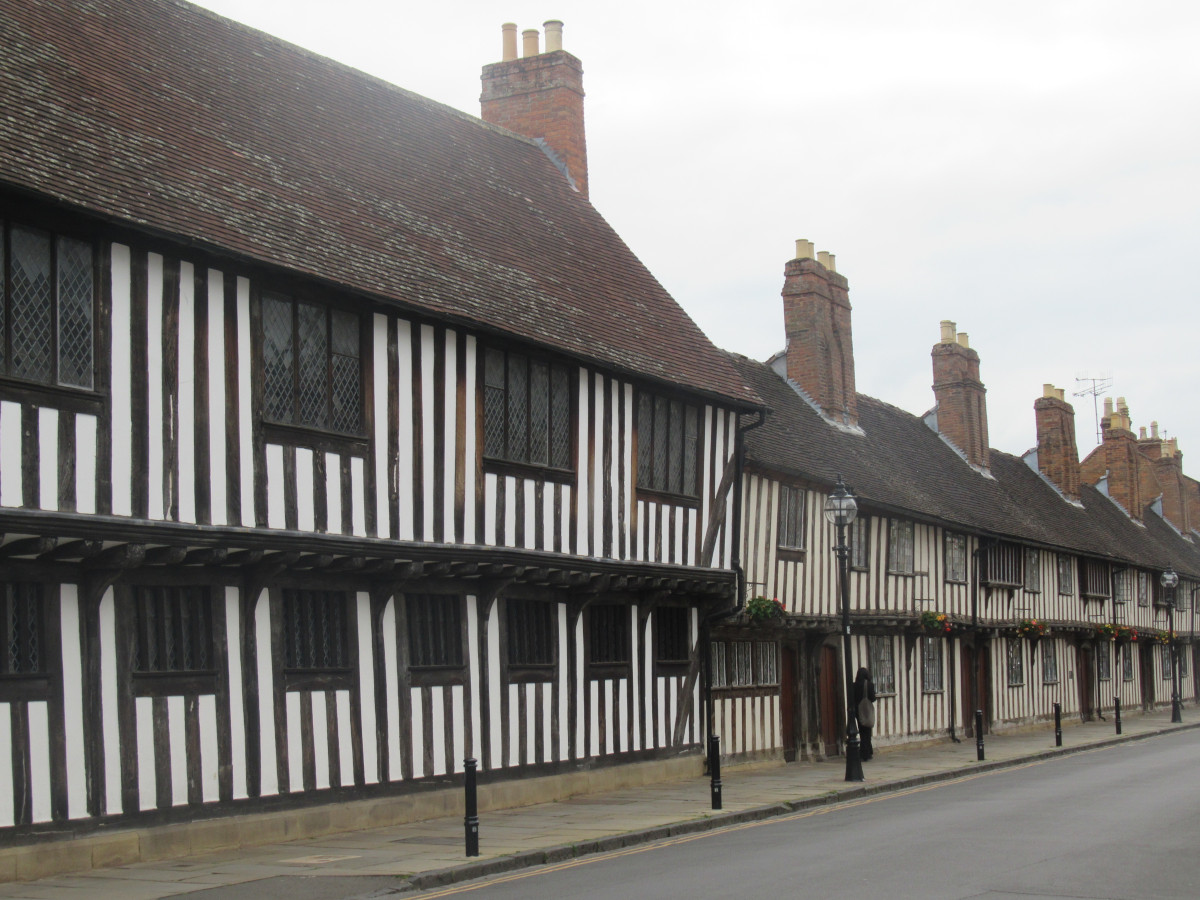
The little settlement of Stratford initially grew up around a monastery, built on the site where Holy Trinity Church stands today. From the 12th century a maze of streets grew up nearby and the growing town, governed by guilds such as the Guild of the Holy Cross, gained a hospice which later became the almshouses you can still see today in Church Street. After the Reformation, church property became crown property and the Guild Hall became the meeting place for the new Borough Council.
In Shakespeare’s day, there were about 220 houses in Stratford and the population was largely illiterate. Popular trades included bakery and butchery, weaving, shoe-making and, Shakespeare’s father’s trade, glove-making. Many people had secondary incomes too, perhaps derived from dealing in wool, brewing beer or money-lending. It was a rural town, tied to the rhythms of the agricultural year, as Peter Ackroyd explains in his biography of Shakespeare, listing ‘February sowing and harrowing, March pruning, June haymaking, reaping in August, threshing in September and pig-killing in November.’ All the significant church holidays were kept and on Saint George’s Day a ‘saint’ would ride through the town on horseback leading a ‘dragon’ blowing out flames and smoke.
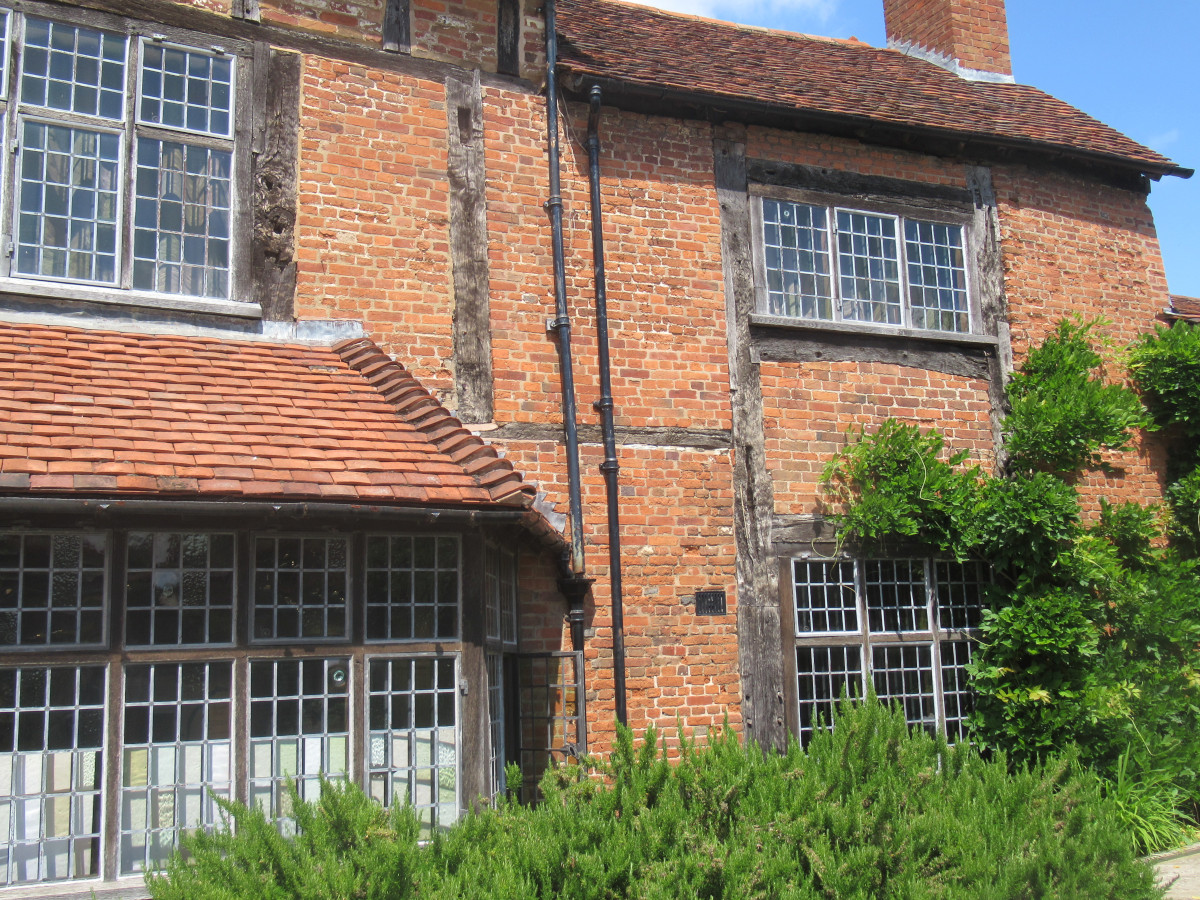
Disaster struck several times in Shakespeare’s Stratford. Three months after his birth in 1564, an entry reading hic incipit pestis was written into the church register, signifying the return of the plague which would kill an eighth of the population. There were a number of major fires, for example in 1594 when most of Wood Street burned down and again in 1614 when 54 houses were destroyed. Shakespeare’s house, New Place, survived because it was built of brick and tiles. Many other houses, largely made of wattle, daub and thatch, did not. Stratford was not always peaceful – history books mention the drawing of daggers and ’making of frays’, despite the efforts of the town constables charged with keeping order.
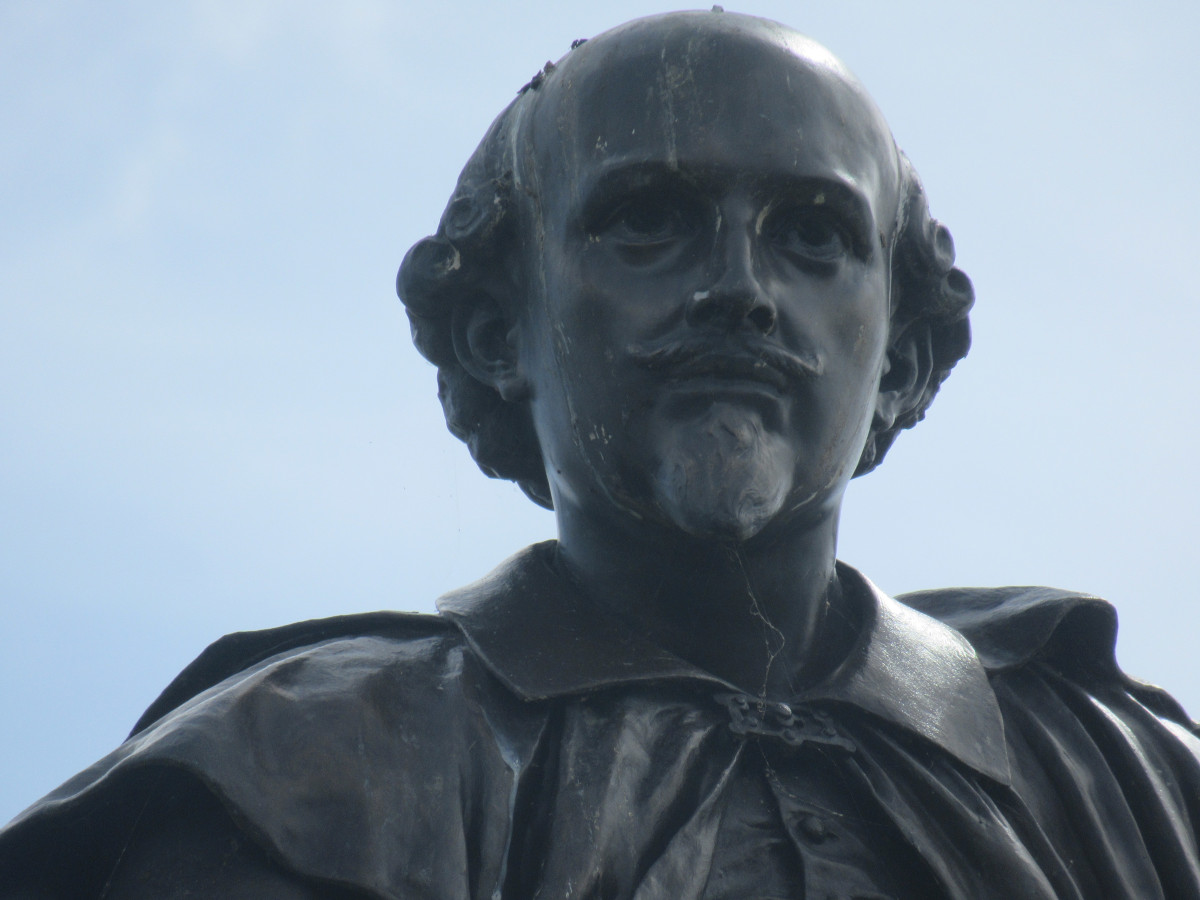
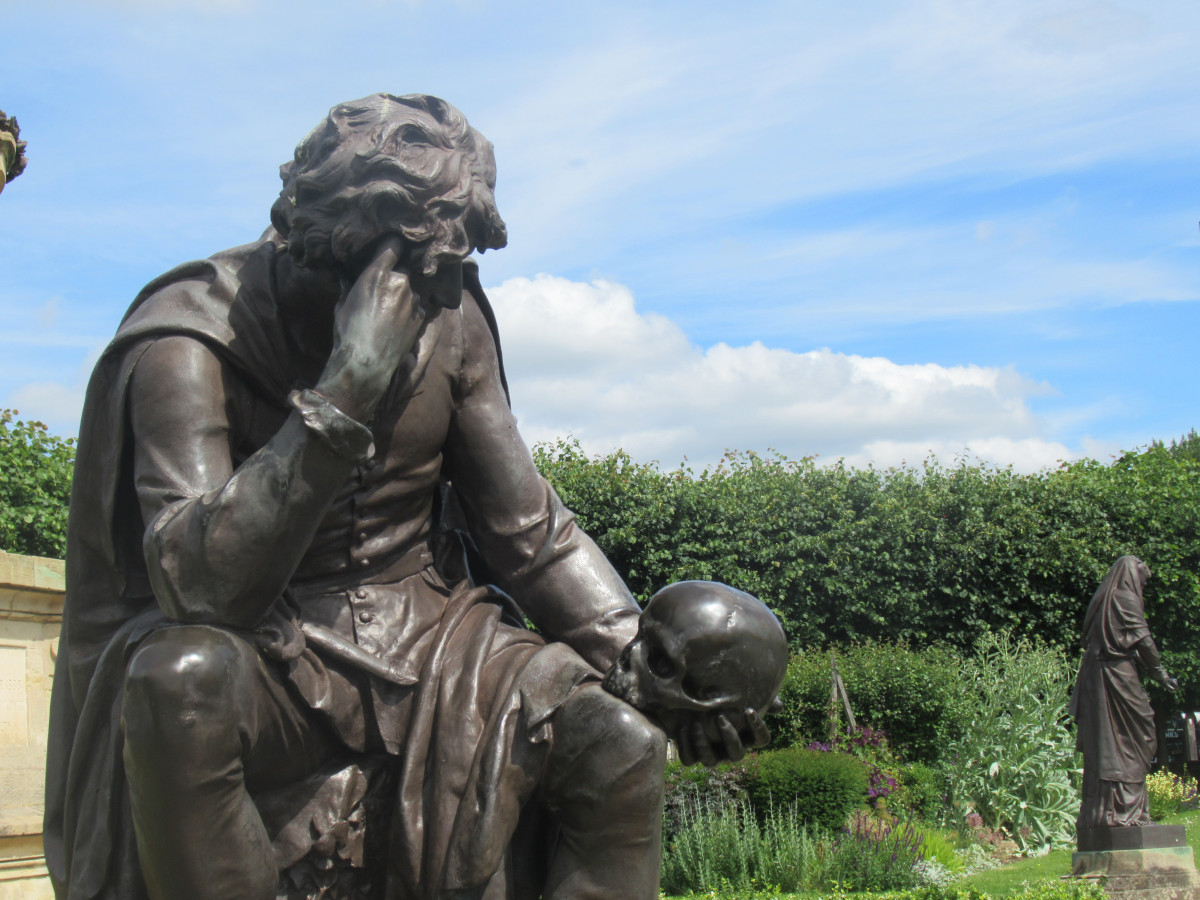
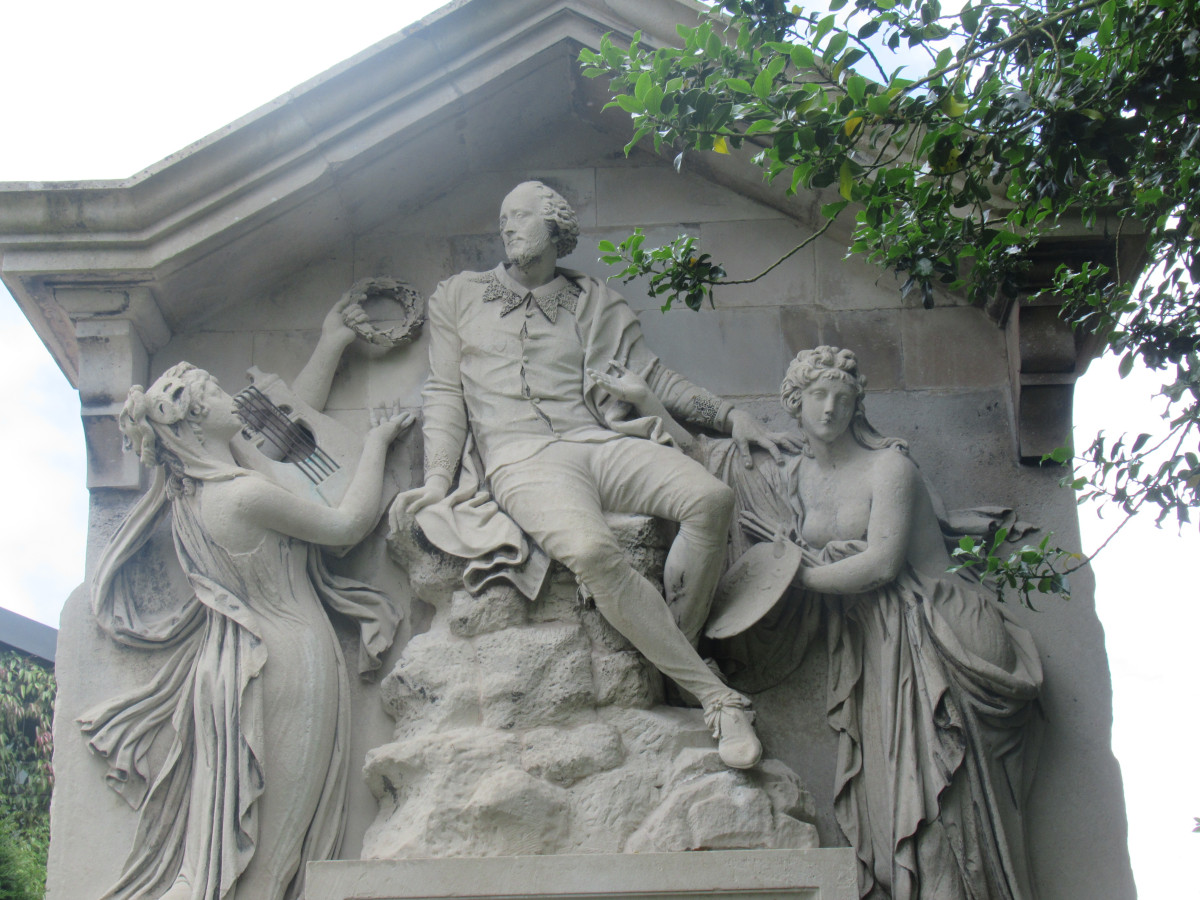
In 1769, the famous actor David Garrick organised the Stratford Jubilee Festival in honour of Shakespeare, the first time the author’s home town had celebrated him in this way. During the 19th century, Stratford became wealthier thanks to the opening of the Stratford-Upon-Avon Canal, built in 1815 and the arrival of the railway in 1859. In 1864 the tercentenary of Shakespeare’s birth was celebrated in style and plans were made to build the Shakespeare Memorial Theatre which opened in 1879 on the site of today’s Royal Shakespeare Theatre. That was really the beginning of Stratford being known above all for its Shakespeare connection and the Gower Memorial, celebrating him and his work, was built soon afterwards in 1888.
The theatre burned down in 1926 and so a new Shakespeare Memorial Theatre was built, opening in 1932 and renamed in 1961 as the Royal Shakespeare Theatre, still its name today. At the beginning of this century it underwent a major refurbishment, re-opening in 2010 as the theatre you visit today.
2 important men of stratford
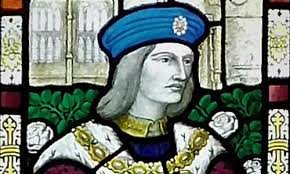
Hugh Clopton, born in 1440 in Clopton, near Stratford, made his fortune in London and rose to become Mayor of London before returning home and using some of his wealth to replace the town’s old timber bridge with the stone one you can still see today. He also built New Place, the house which Shakespeare later bought with the money he had made in London. When Clopton died, he left the rest of his wealth to the town for additions to the church and the re-building of the Guild Chapel.
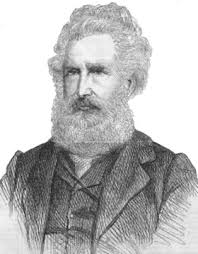
Charles Edward Flower, born in 1805, has been called ‘Stratford’s most eminent Victorian’. He established a brewery in the town, Flower and Sons Ltd, which flourished, became known for producing what Punch magazine called ‘about the best beer brewed in England’ and made him a great deal of money. He served four times as mayor of Stratford and was a major contributor to the celebrations for the tercentenary of Shakespeare’s birth, donating much of the money needed to build the Shakespeare Memorial Theatre. Without him, it may never have existed.
a walk around stratford
There’s a more detailed description of this walk on the podcast and we’ll be coming back to all the most important places in the next two episodes.
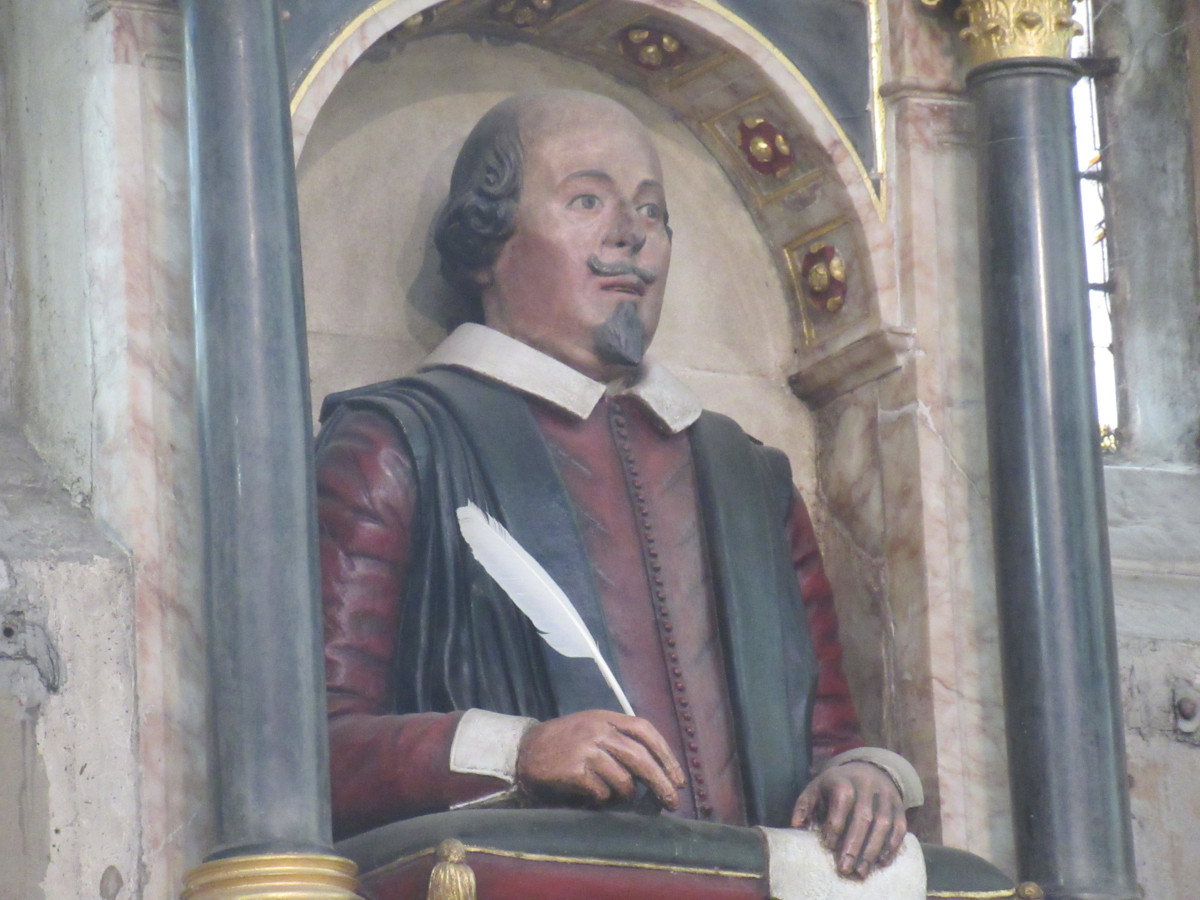
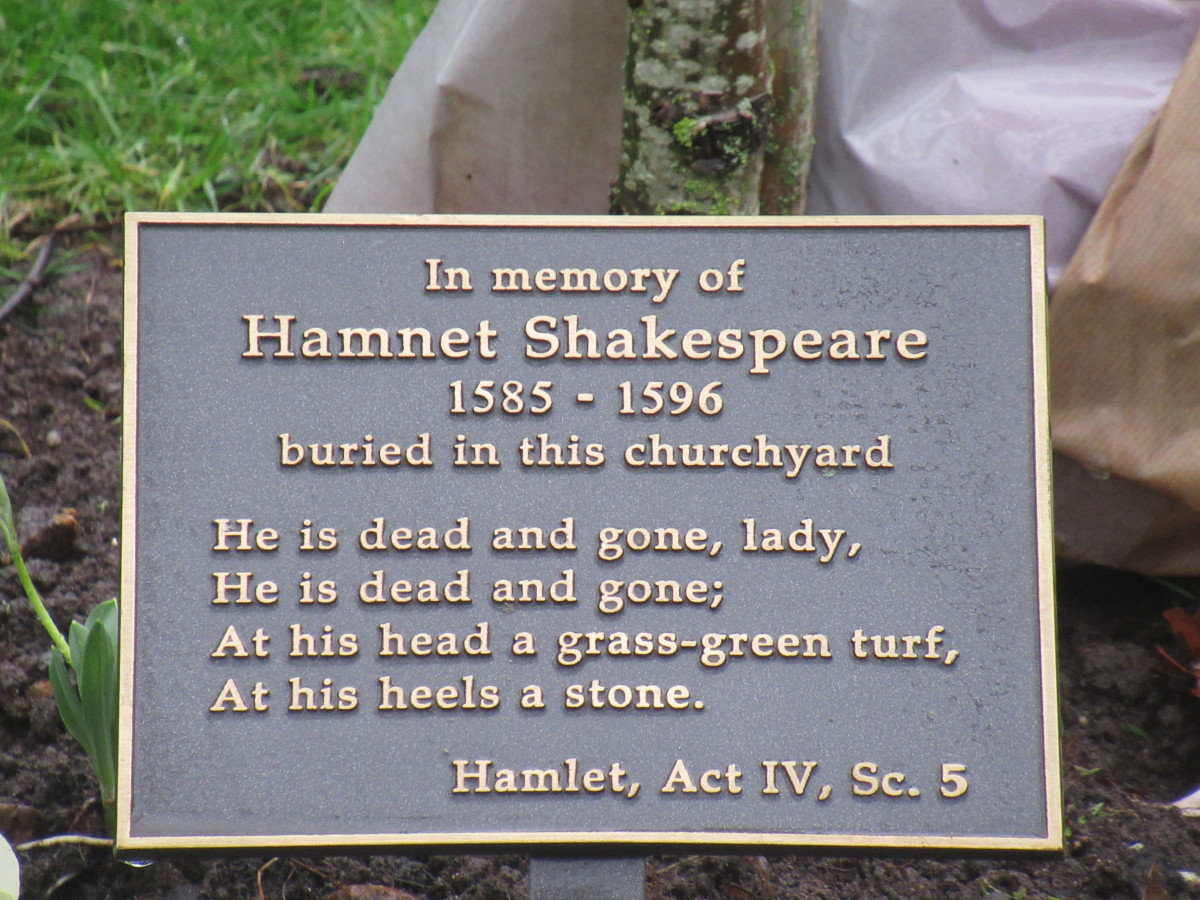
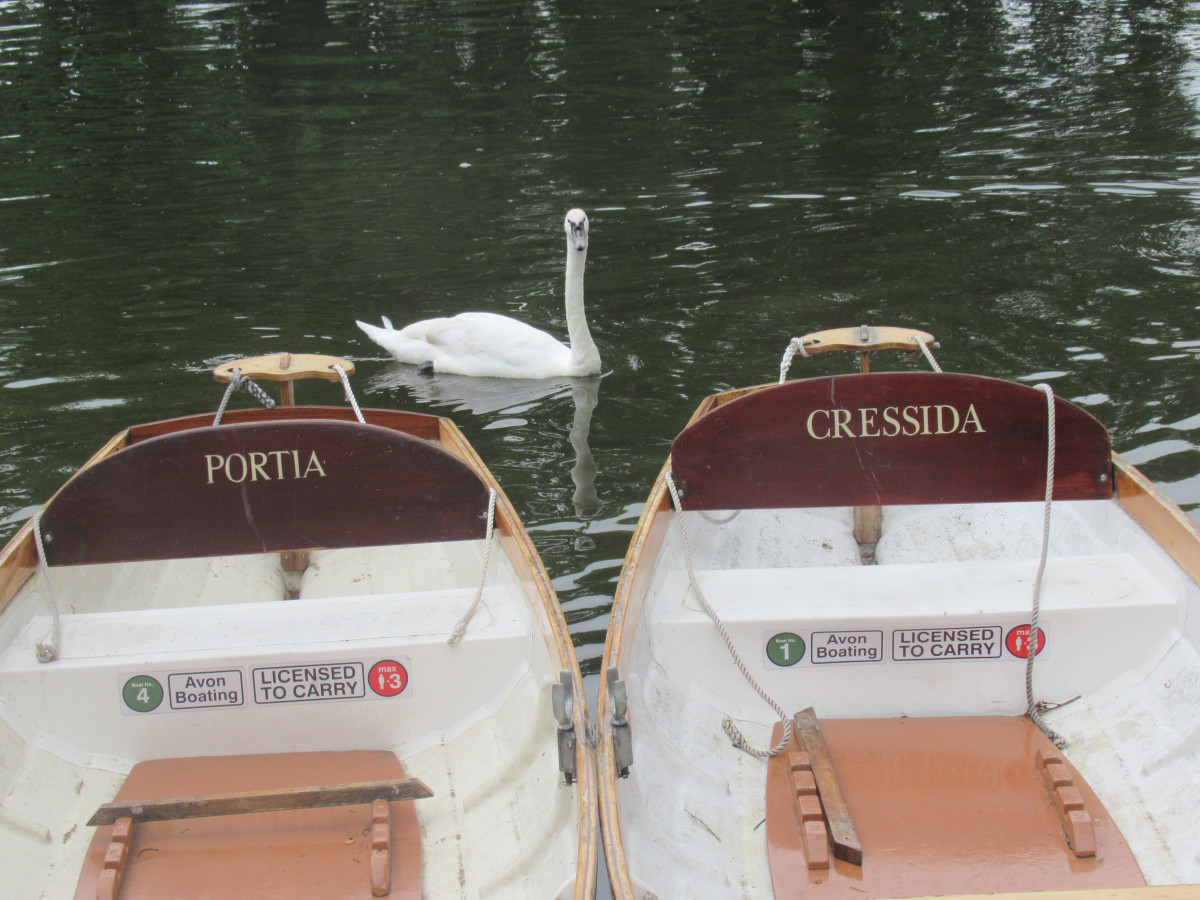
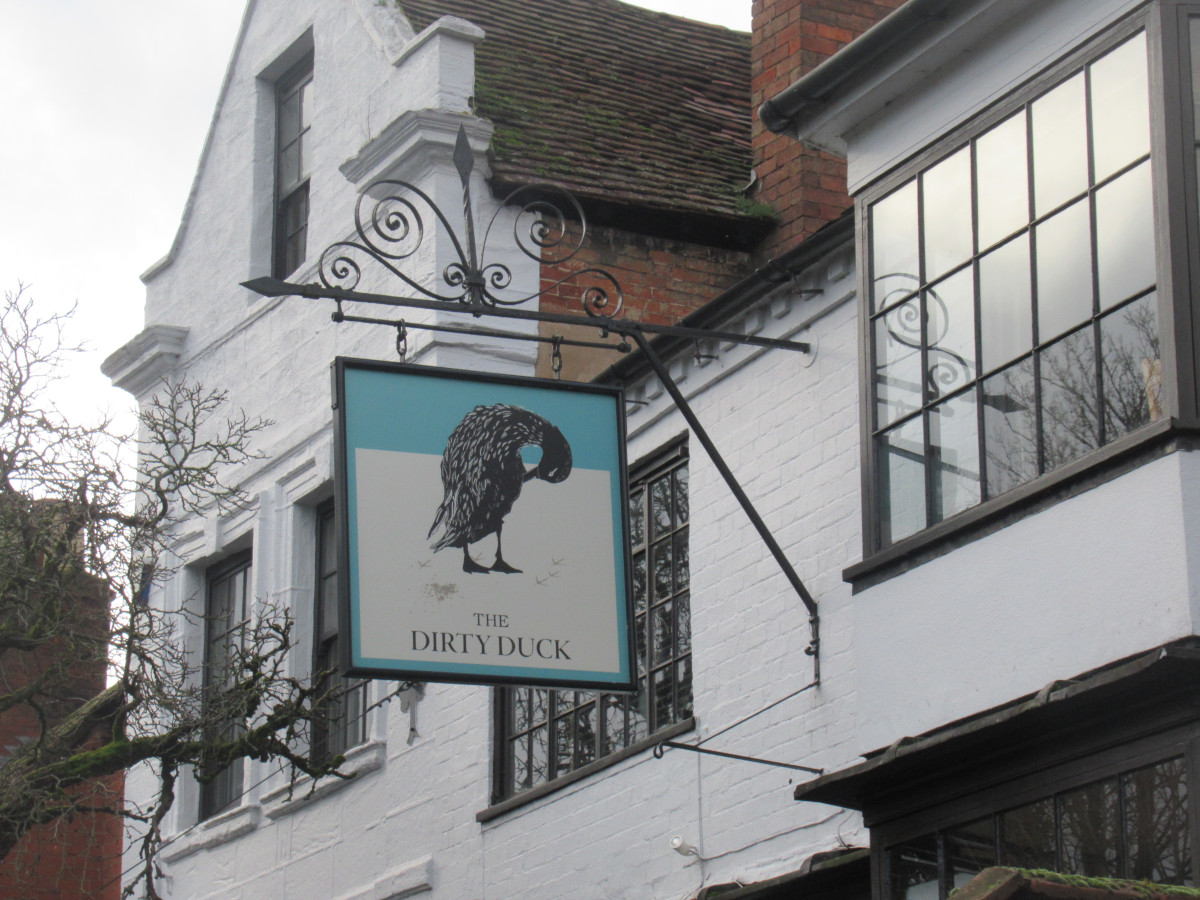
A good place to start is the Royal Shakespeare Theatre. From there, make your way along Waterside, past pleasure boats with Shakespearian names like Portia and Cressida, past The Dirty Duck, aka the actors’ pub, to Holy Trinity Church, the oldest building in Stratford. Shakespeare was both baptised and buried here and if you go inside you’ll see his grave and the monument built above it. Look out too for the two trees planted halfway along the church’s entrance path in memory of his twins, Hamnet and Judith.
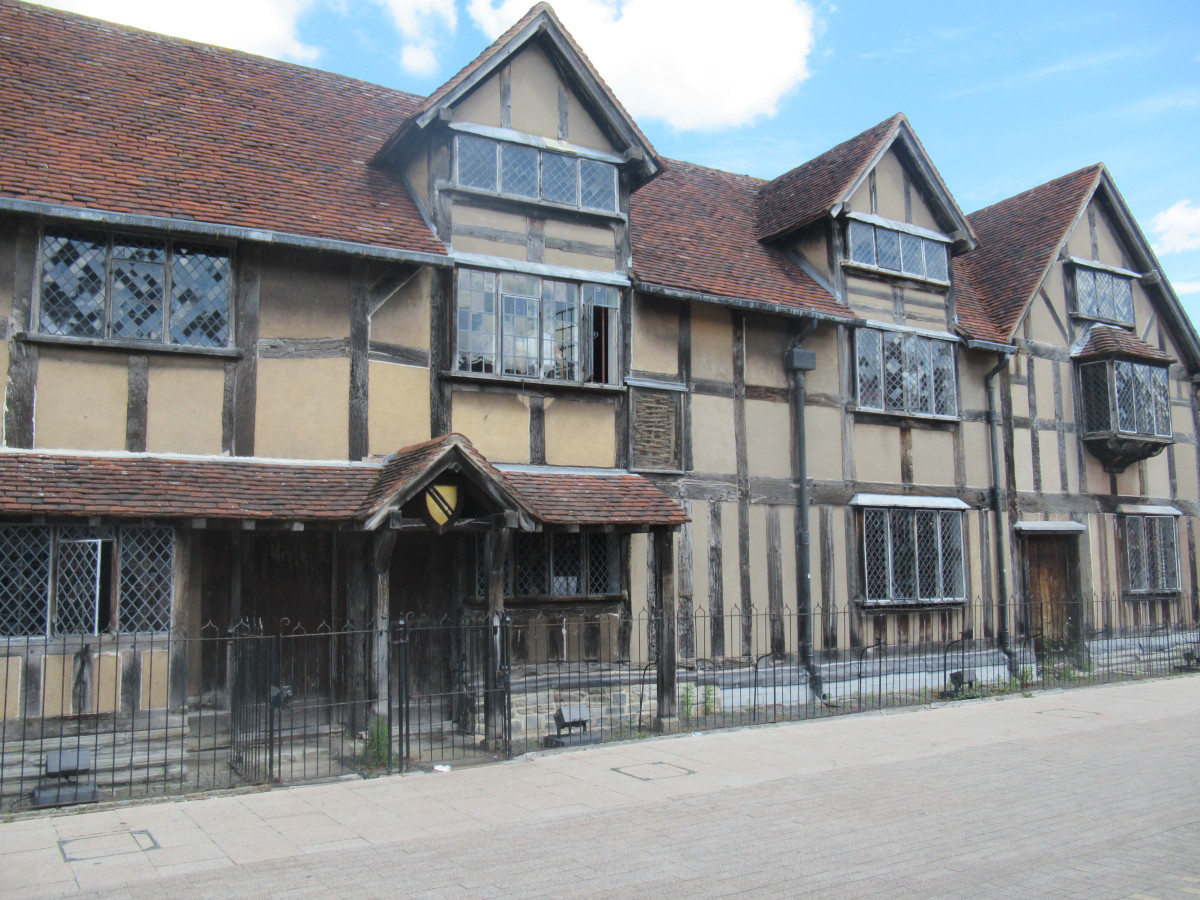
Make your way along Old Town to Church Street, where you’ll pass the almshouses, originally built in the 15th century, and then the Guildhall and Schoolroom where Shakespeare was almost certainly educated. Next, on the corner of Chapel Lane, comes the Guild Chapel, whose bells Shakespeare will certainly have heard many times, then, halfway up Chapel Street, New Place, the site of the large house he lived in at the end of his life, of which only really the garden remains. A few minutes’ walk along Ely Street and Rother Street will take you to Henley Street, site of Shakespeare’s Birthplace, the half-timbered house where he grew up and which is now a museum.
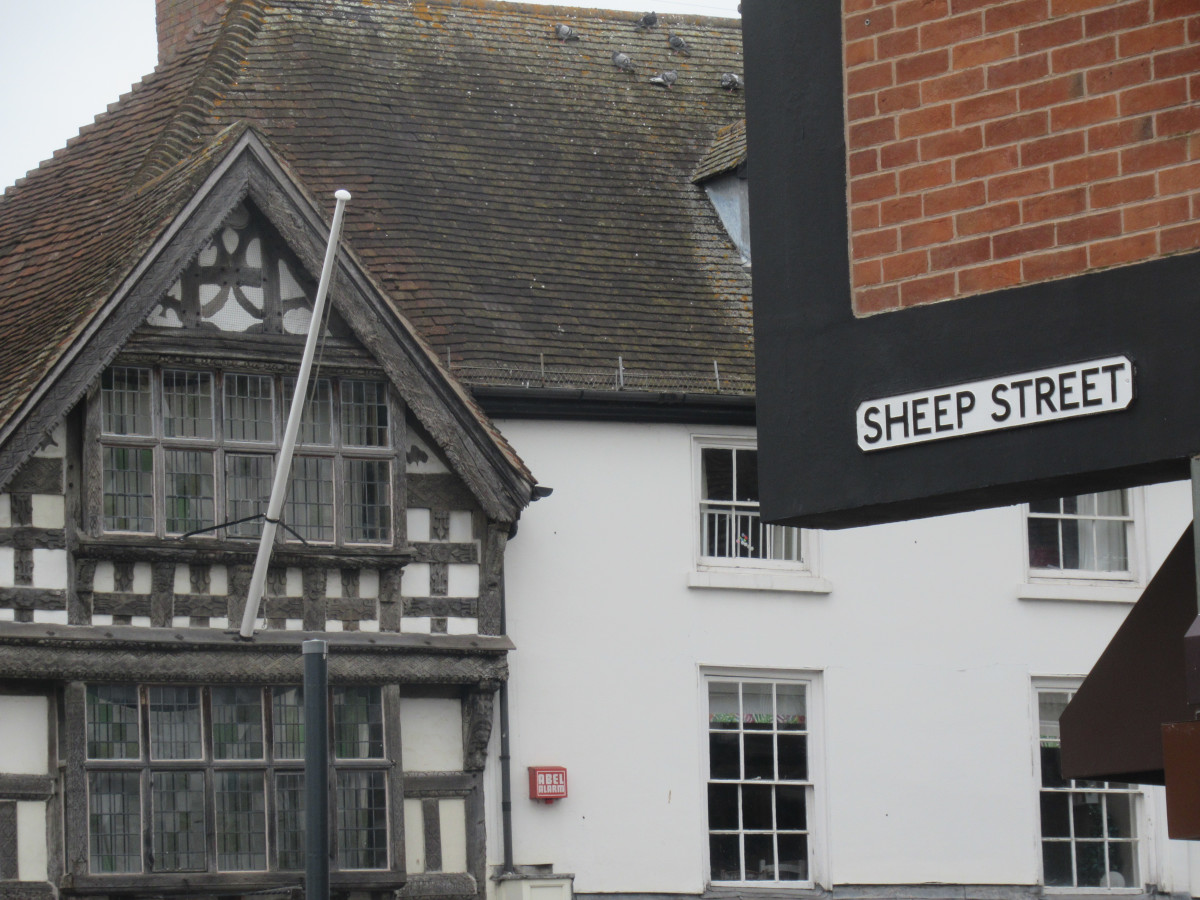
At the other end of Henley Street comes a roundabout where, on the corner of the High Street, you’ll see the Town Hall and the statue of Shakespeare presented by David Garrick in 1767 as part of the Shakespeare Festival. Where the High Street meets Chapel Street is Stratford’s finest Victorian building, now a bank, whose fine terracotta frieze depicts 15 scenes from Shakespeare plays, the central one being – fittingly for a bank! – from The Merchant of Venice. Sheep Street will take you back towards the river where, if you look ahead and to your left you’ll see the Gower Memorial, a statue of Shakespeare surrounded by figures from his plays.
Turning right will take you through Bancroft Gardens back to the Royal Shakespeare Theatre and on the way you’ll pass the swan fountain, a stainless steel sculpture of 2 swans about to take flight which was erected in 1996 to mark Stratford’s 800-year anniversary. It’s also a nod to Shakespeare, who sometimes referred to himself as ‘the Swan of Avon’.
2 more walks around stratford
Stratford-upon-Avon Riverside Heritage Trail is a useful leaflet available from the Tourist Office and it outlines a 1-2 hour walk around Stratford and its outskirts.
A town centre trail devised by the Stratford Society and called the Historic Spine Trail can be downloaded here. It takes you past ‘the finest of Stratford’s buildings, ranging in date from the 14th to the 20th centuries’ and explains their history.
The next post will focus on Shakespeare’s Stratford, visiting all the places connected to him. Meanwhile, if you fancy doing a little reading around Stratford, there are suggestions below for guidebooks, tourist websites, background books on Shakespeare, three novels and an autobiography.
Listen to the POdcast
Reading suggestions
3 Useful guidebooks
Stratford-upon-Avon Quick Trips series by Cynthia Atkins
A-Z of Stratford-upon-Avon by Will Atkins
Secret Stratford by Nicholas Fogg
5 Books on Shakespeare
Shakespeare The Biography by Peter Ackroyd
Hidden Shakespeare by Nicholas Fogg
Shakespeare the Player A Life in the Theatre by John Southworth
Shakespeare by Bill Bryson
Know-it-All Shakespeare by Ros Barber
3 Novels and an Autobiography
Hamnet by Maggie O’Farrell
Fools and Mortals by Bernard Cornwell
Shakespeare’s Mistress by Karen Harper
Shakespeare The Man who Pays the Rent by Judi Dench
links for this post
2 Useful websites for tourists
Visit Stratford-upon-Avon
Guided walks around Stratford
Next Episode Finding Shakespeare in Stratford-Upon-Avon
Last Updated on May 6, 2026 by Marian Jones