Willkommen in Wien! This introduction to our Vienna series brings you information to help you get your bearings and pick up the basic facts which underpin everything. So, first a little geographical and historical context, then below that links to all the episodes in the series, followed by reading ideas and other useful links.
In elegant Vienna you can sip coffee with whipped cream in some of Europe’s classiest Kaffeehäuser (coffee houses), tour the old town in a horse-drawn carriage and hear classical music in top-notch concert halls almost every night. As the Austrian writer Karl Kraus put it, ‘The streets of Vienna are paved with culture, the streets of other cities with asphalt’. Add in the wine culture in the surrounding Vienna Woods and the cuisine with roots in many cultures and it’s clear this is a city with something for everyone.
Without further ado, let’s go. Or, as the Austrians would say, ‘Gemma!’ (Pronounced ‘gay-ma’!)
get your bearings
The Austrian capital sits on a crossroads in central Europe. Just north is the Czech Republic, while its southern border is with Italy. Vienna is also where east and west Europe meet, being just 50 miles from the Hungarian border. It sits on the River Danube which begins in Germany and flows though Austria on its way to the Black Sea. Just outside the city are the Vienna Woods, home to countless wine villages and forest trails.
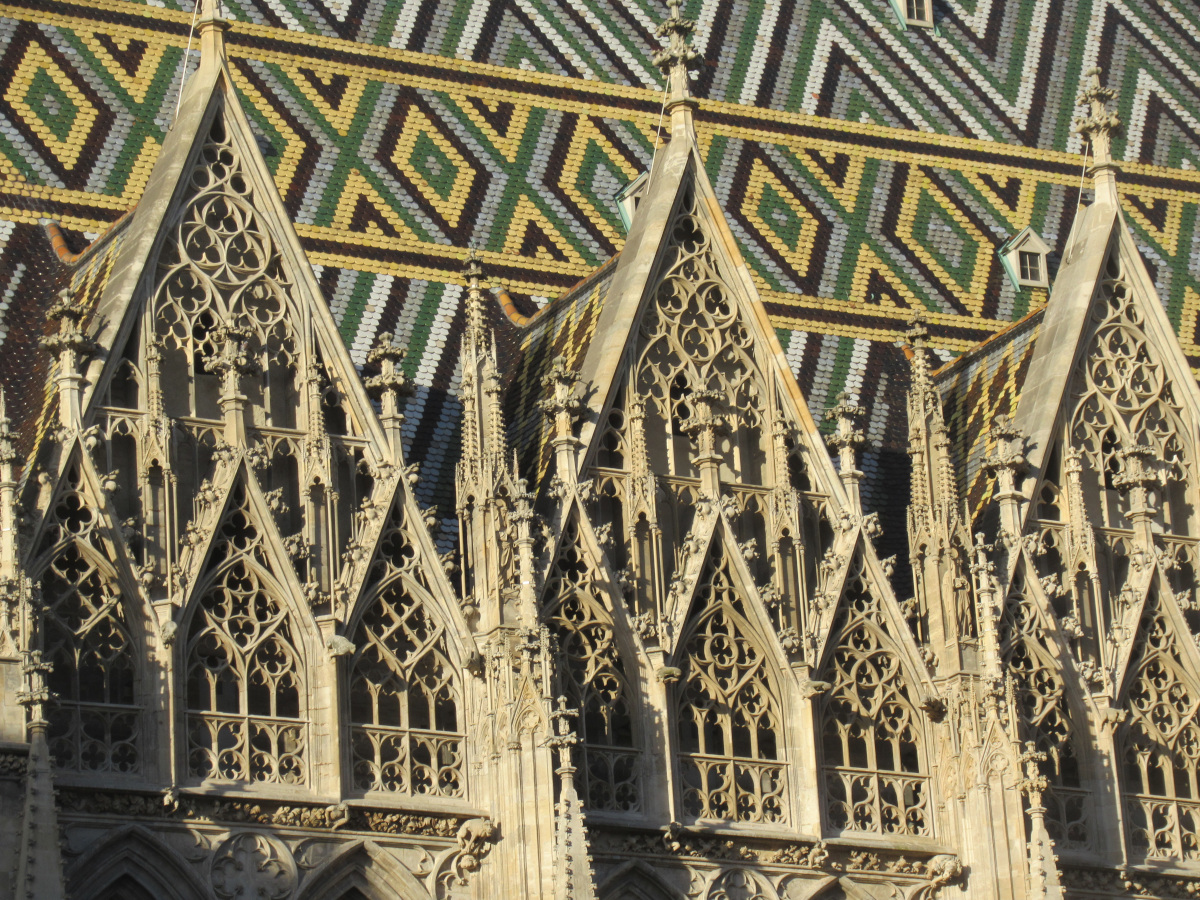
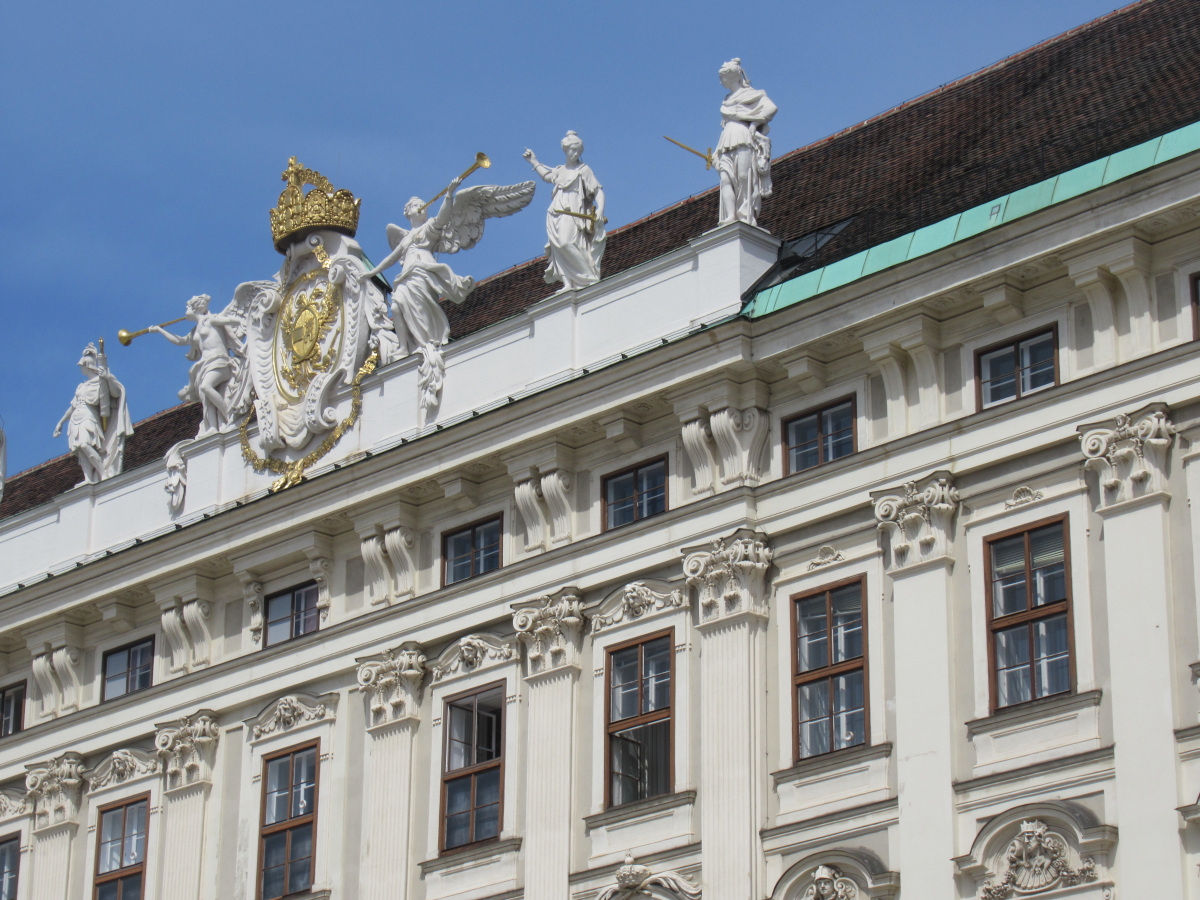
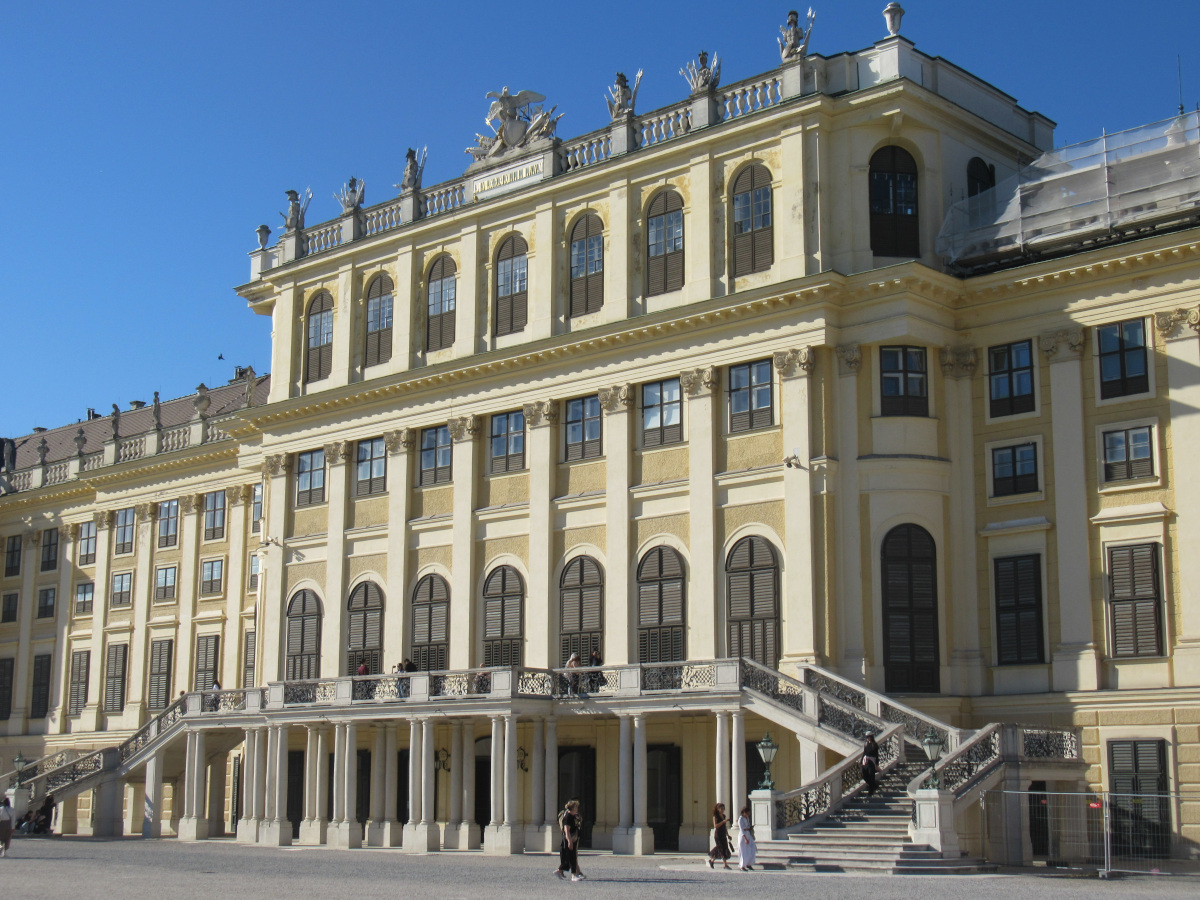
Vienna is laid out in three concentric circles with the 1st of 23 districts, the Innenstadt (inner city) right in the centre. There, you’ll find the Stefansdom cathedral, the Hofburg Palace and many other sights, Around it is the 19th century Ringstrasse – or ‘ring road’ – with many impressive buildings along its length, such as the Opera House, the Parliament and the University, Districts 2 to 9 sit between the Ringstrasse and the outer ring, the Gürtel. Further out again are the rest, including a couple you might visit – the 11th, home to the Zentralfriedhof cemetery where many famous people are buried and the 13th, site of Schönbrunn, the summer palace which is Vienna’s equivalent of Versailles.
a little history
You can find traces of Roman Vienna, or Vindobona as it was known, in the Hoher Markt in the Innenstadt where excavations have been converted into an underground museum. The narrow streets of the 1st district are a reminder of medieval Vienna, along with St Stephen’s cathedral, begun in 1137, and many other churches. One surprise is the Virgilkapelle, remains of a 13th century gothic church dug up by workmen building the Stephansplatz underground station in the 1970s. It can be visited via a spiral staircase down in the station. Vienna University dates from 1385 and is one of Europe’s oldest.
Major events in Vienna’s history include the plague of 1679 which killed a third of the population and the two attempts the Turks made to conquer the city. After a three-month siege, they were driven away for the second time in 1683, thus ensuring that Western Europe would remain Christian rather than submitting to Islamic rule. It’s said that as they fled they left behind sacks of Turkish coffee which the locals so enjoyed that they began opening the first Kaffeehäuser, or coffee houses.
the hapsburgs
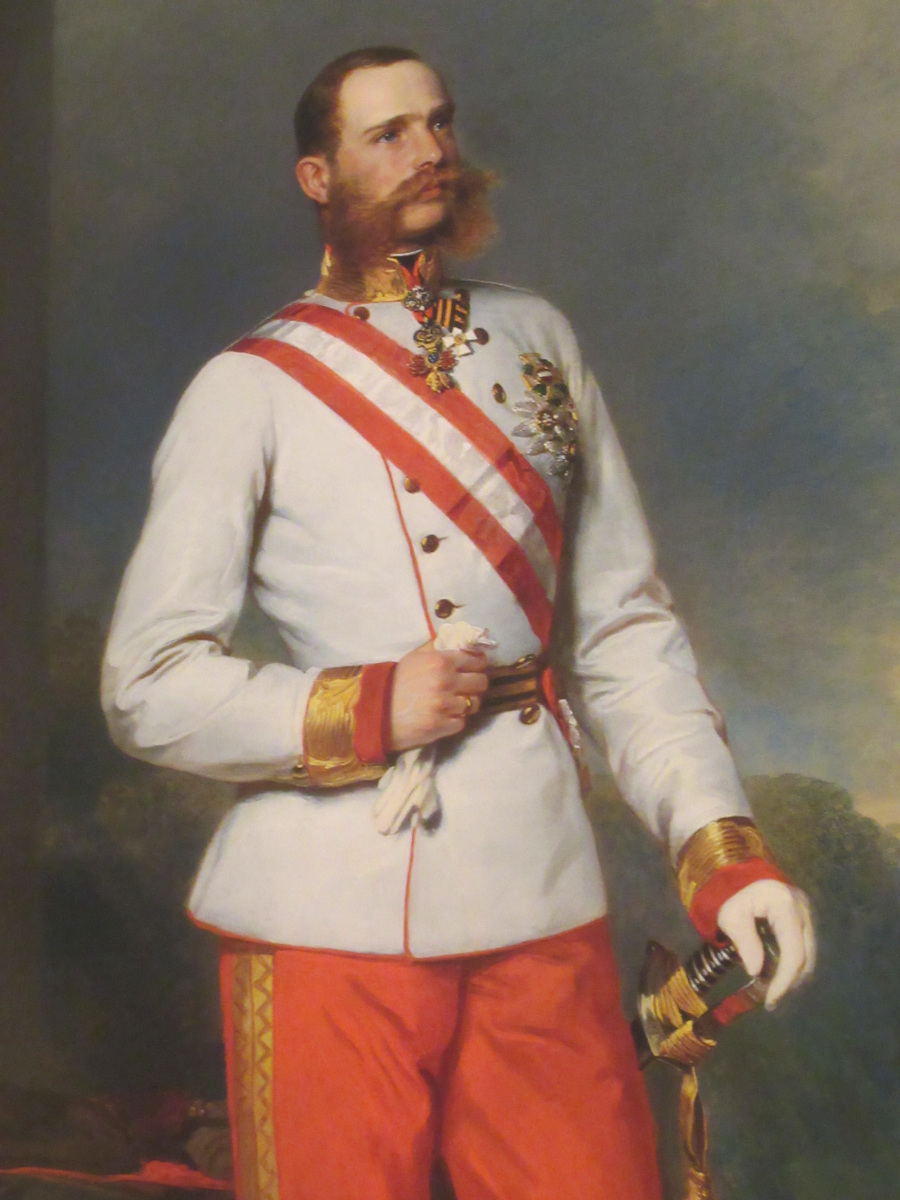
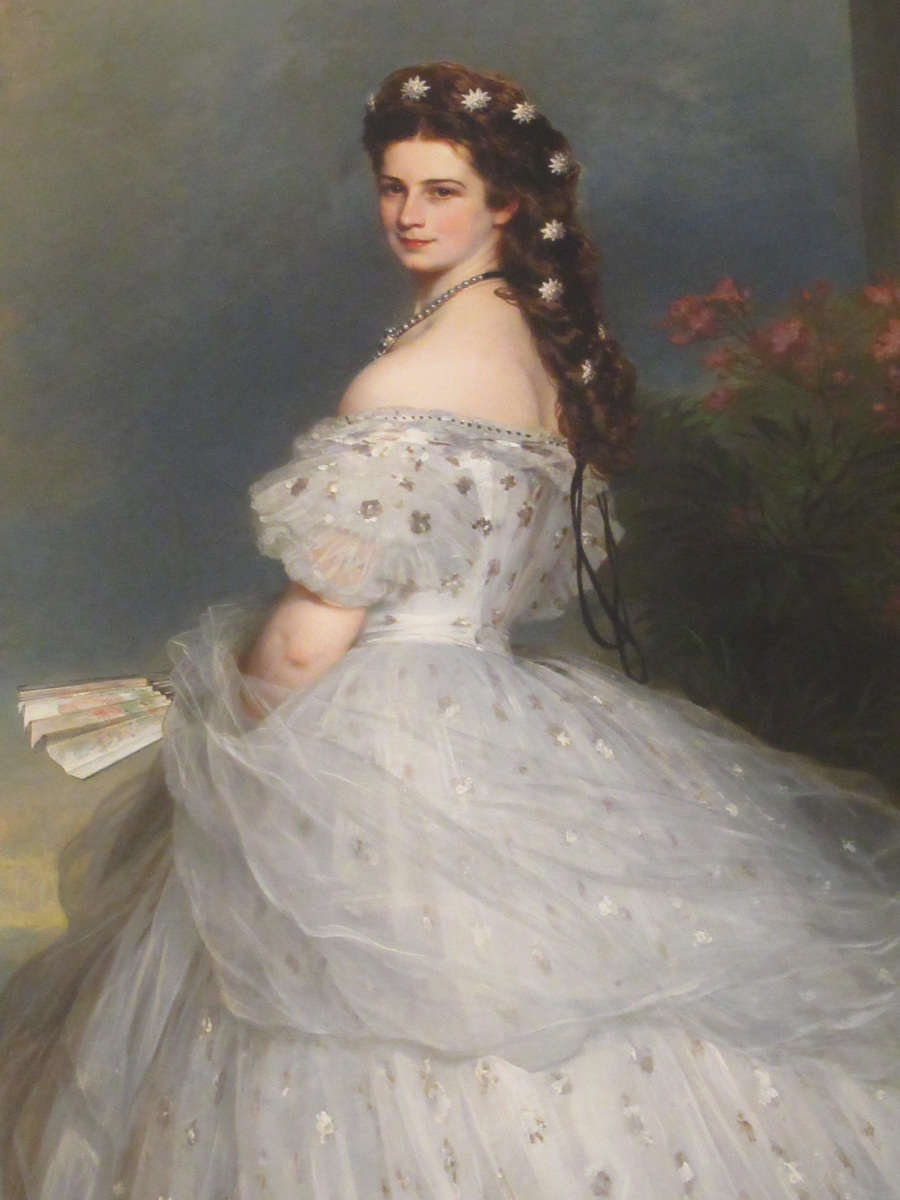
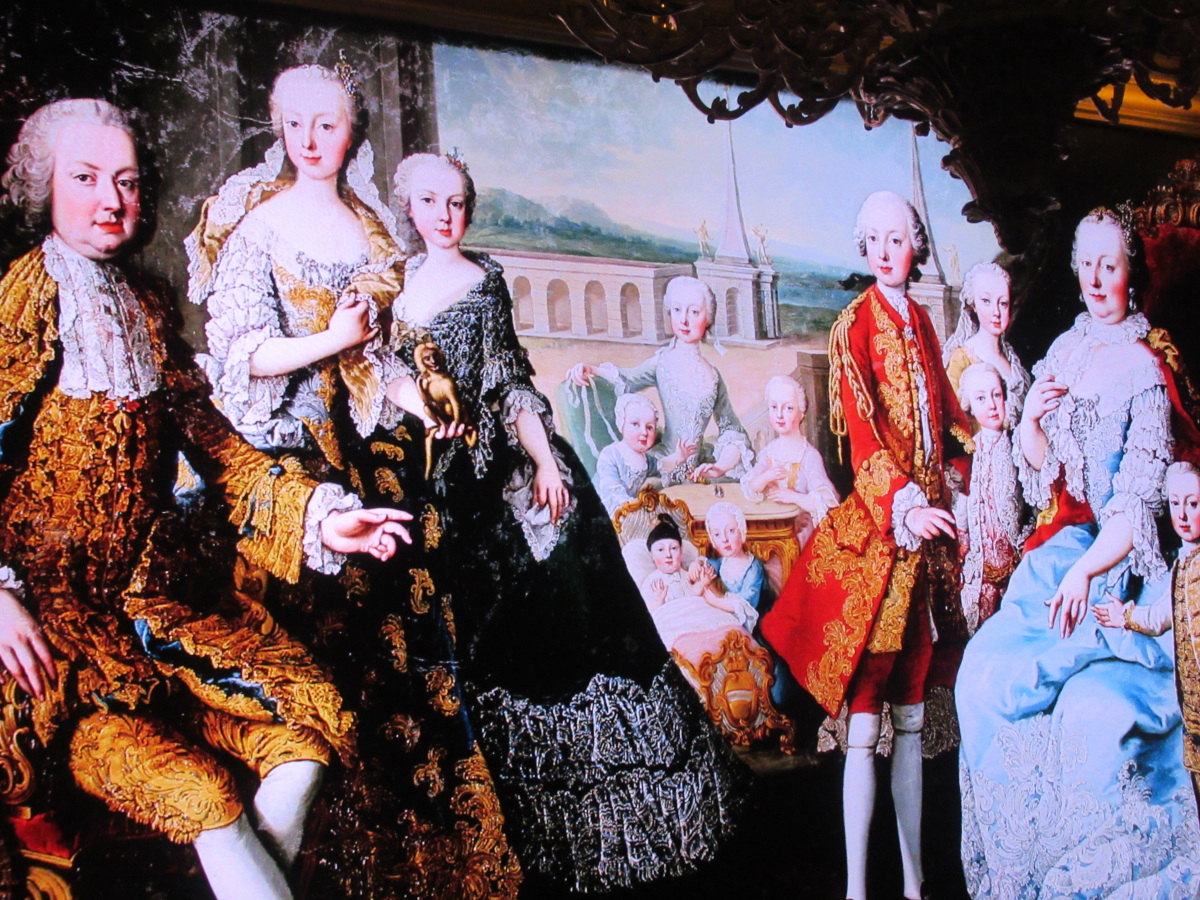
The Hapsburgs ruled Vienna for 8 centuries and they are still to be found all over the city, in palaces, statues and the Kaisergruft or Imperial Crypt where about 150 family members are buried. They include the Empress Maria Theresa, Emperor Franz Josef and Empress Sisi, along with their son, Crown Prince Rudolf. At the end of the nineteenth century, Vienna was the glittering capital of the Austro-Hungarian Empire, ruled by Emperor Franz Josef until he died in 1916. But after the First World War it all came to an end and Austria was declared a Republic.
One Lady Montagu, visiting Vienna in 1716, wrote ‘I must own I never saw a place so perfectly delightful as the faubourgs of Vienna. It is very large and almost wholly composed of delicious palaces’. In 1822 the American writer Washington Irving described it thus: ‘It has immense palaces, superb galleries of paintings, several theatres, public walks, and drives crowded with equipages. In short, everything bears the stamp of luxury and ostentation, for here is assembled and concentrated all the wealth, fashion and nobility of the Austrian empire.’
World War II and beyond.

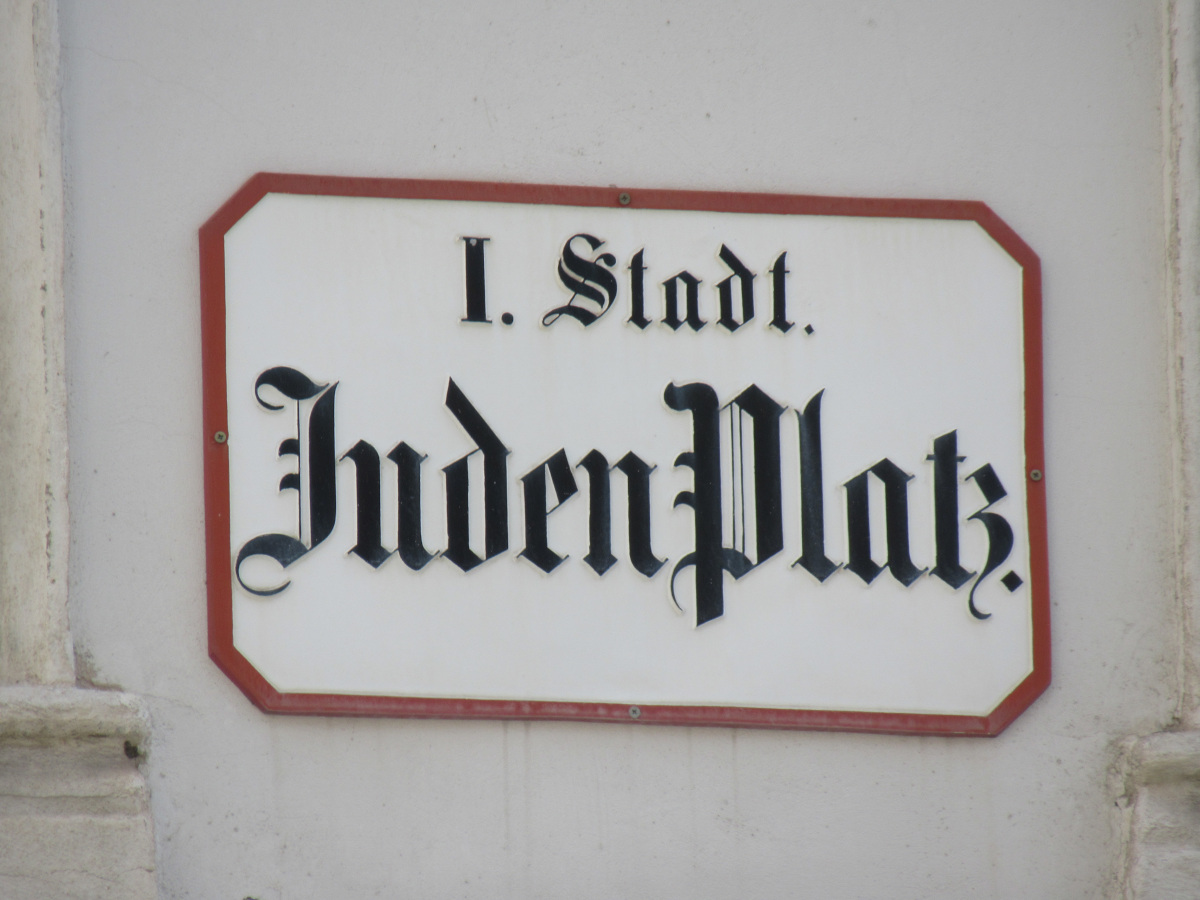
March 1938 saw the Anschluss, when Hitler marched into Vienna and declared Austria to be part of the 3rd Reich. The city was badly bombed during World War II, then divided into 4 zones under American, British, French and Russian troops. When they left in 1955, the second Austrian Republic was declared. During the 1980s Austria began to come to terms with its wartime past, accepting that many Austrians had welcomed the Germans at first and some had collaborated with the Nazi regime. You can learn much more about this at the Museum of Austrian History which covers this period in detail, or at the Wien Museum in Karlsplatz, which covers the whole of the city’s history including this period.
Today, Austria is a proud member of the European Union and Vienna is a major international conference centre where such organisations as OPEC are based along with a number of major United Nations institutions.
what makes vienna unique?
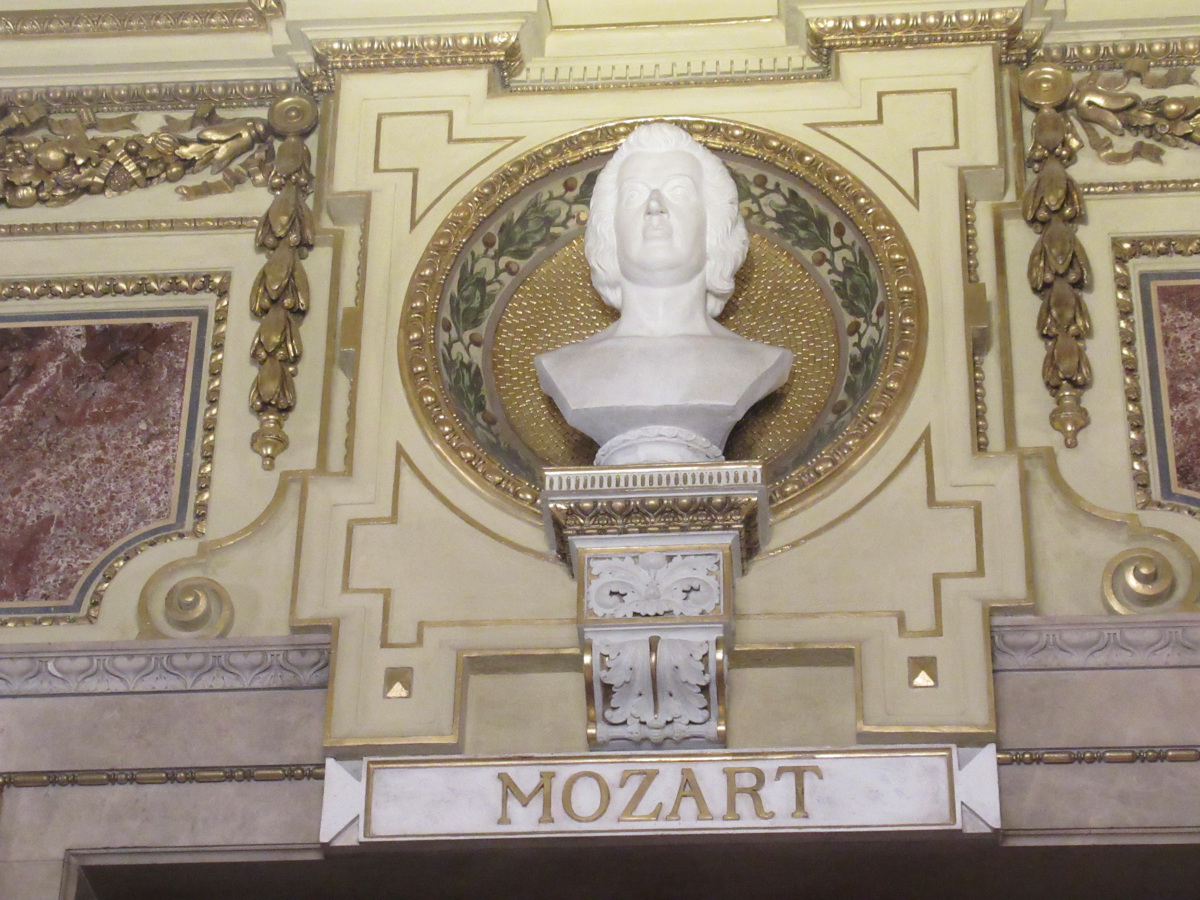
The coffee houses are unrivalled anywhere in the world and Vienna’s musical connections are legendary. It’s not just the one-time home of Mozart, Schubert, Strauss and Beethoven, but also the site of the internationally renowned concert hall, the Musikverein and the Vienna State Opera. Also at home here are the Vienna Boys Choir and the Vienna Philharmonic Orchestra whose New Year’s concert is relayed across the world. The Vienna Opera Ball, also globally famous, is the highlight of the winter season.
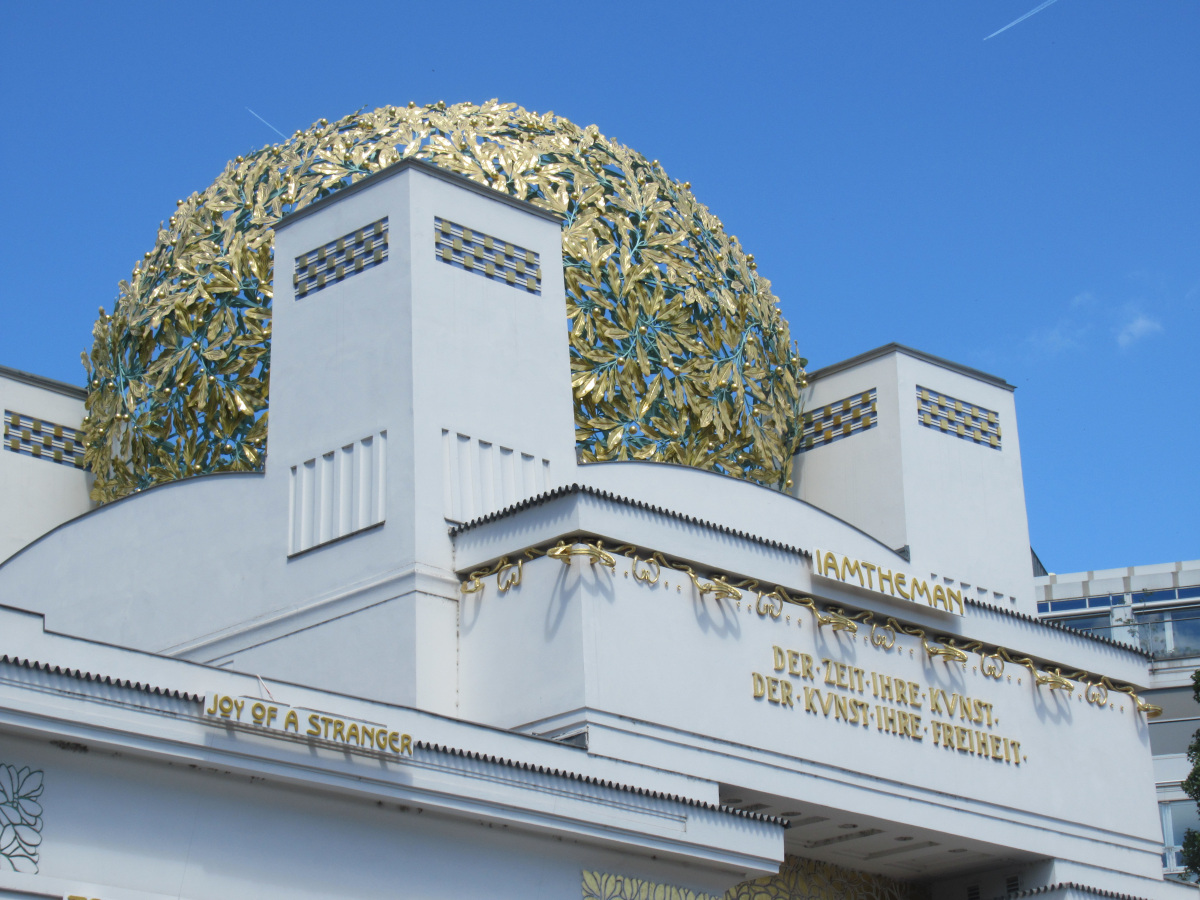
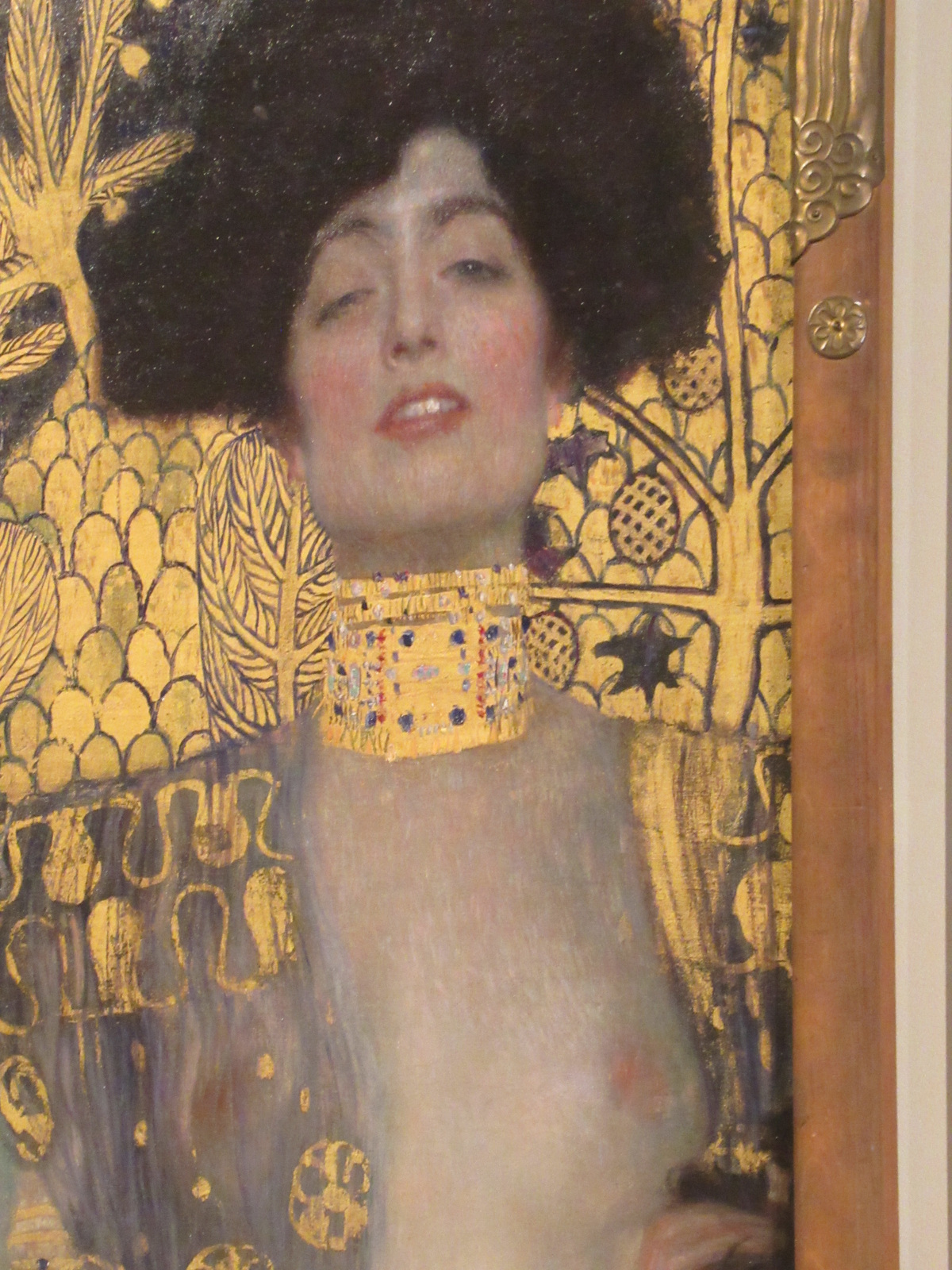
Apart from the Hapsburgs, the most famous people associated with Vienna include Freud, whose epoch-marking psychoanalysis was researched and practised here and the Secessionist artist Gustav Klimt whose paintings fill the galleries (and the souvenir shops!) Architecturally there’s no shortage of baroque beauty, but the gothic, the quirky and the ultra-modern can all be found too, examples being the Stefansdom cathedral, the colourful, higgeldy-piggeldy Hundertwasser House and the Haas Haus whose curved steel and stone façade reflects the cathedral which stands just opposite.
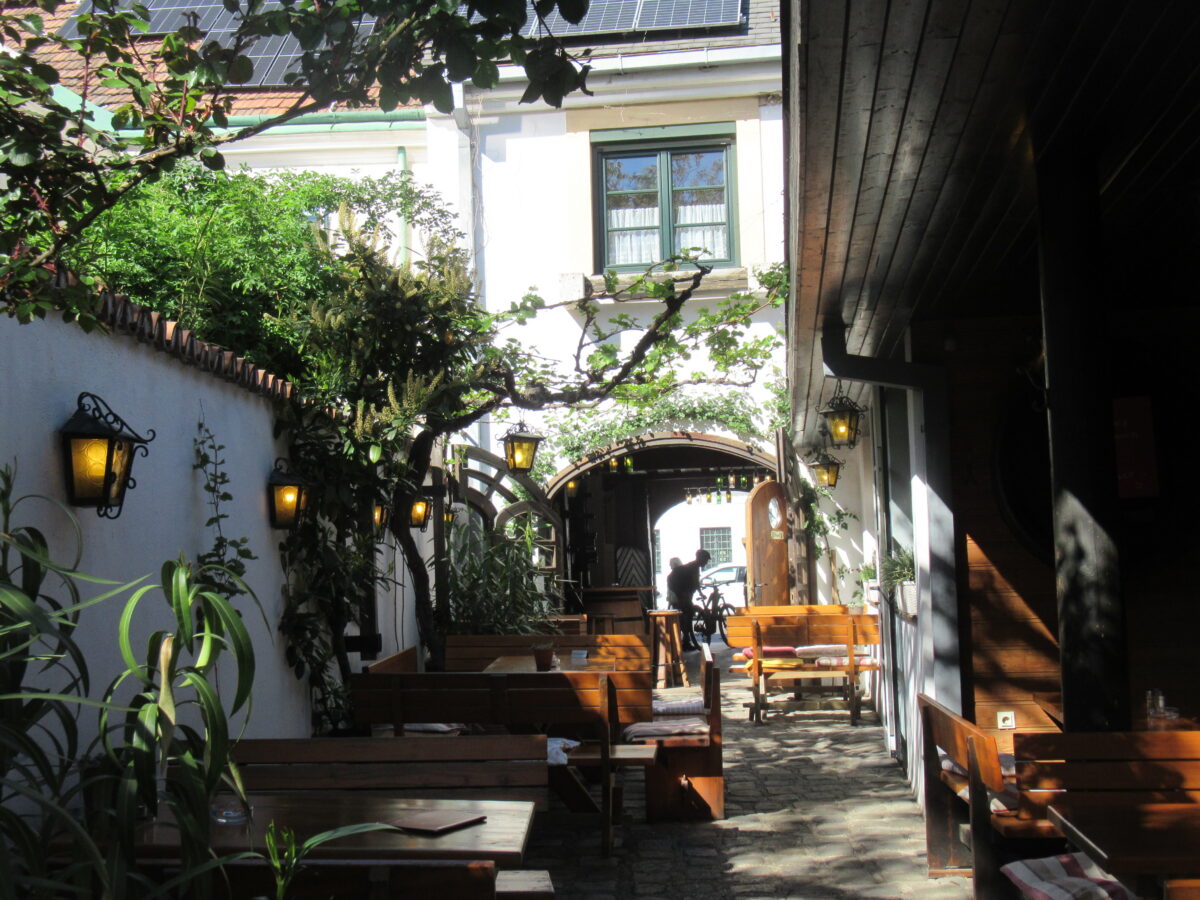
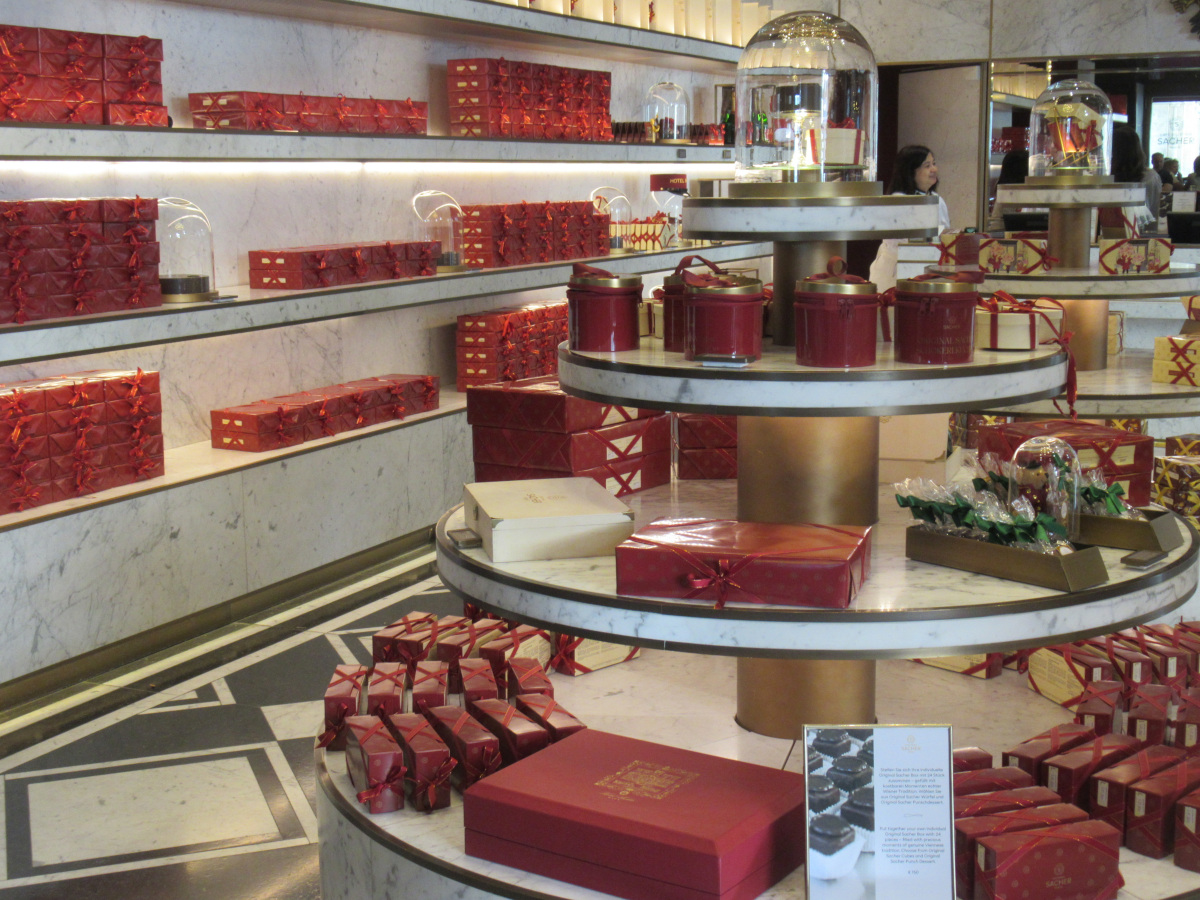
You can’t miss Vienna’s olde worlde charm, summed up in two long German words. Gemütlichkeit is the cozy, comfortable atmosphere you will find in the coffee houses and Heurige, or wine taverns serving that year’s wine along with good food and some cheerful musical entertainment. Lebenskunst translates as ‘the art of living’, another way to express the Viennese penchant for living slowly and well, taking time to appreciate the finer things of life.
Listen to the POdcast
OTHER POSTS IN THE vienna SERIES
This is our current series. The list shows what posts are planned and as they are written, the titles will become links to take you straight there.
The City Centre and the Ringstrasse
The Stephansdom and other churches
The Hofburg Palace and Empress Sisi
Schönbrunn Palace and Empress Maria Theresa
Musical Vienna
5 Viennese Composers and where to find them today
Art and Architecture
Klimt and the Secession movement
Jewish Vienna
Food and Drink
Quirky Vienna
The Vienna Woods and the Mayerling tragedy
Vienna Anthology
Reading suggestions
3 Useful guidebooks
Lonely Planet Pocket Vienna
Top 10 Vienna
Dorling Kindersley Guide to Vienna
Vienna: History and Memoir
A Nervous Splendour, Vienna 1888-89 by Frederic Morton
1913 The Year before the Storm by Florian Illies
In the Shadow of the Empress by Nancy Goldstone
An Intimate Portrait of Empress Sisi of Austria by Count Corti
The World of Yesterday by Stefan Zweig
6 Books on Viennese Culture
Vienna, A Cultural and Literary History by Nicholas T Parsons
Vienna, How the City of Ideas Created the Modern World by Richard Cockett
Gustav Klimt, Art Nouveau and the Vienna Secessionists by Michael Kerrigan
The Lady in Gold by Anne-Marie O’Connor
Schubert and his Vienna by Charles Osborne
The Last Waltz by John Suchet
4 Novels set in Vienna
The Third Man by Graham Greene
The Radetzky March by Joseph Roth
Vienna Spies by Alex Gerlis
Night Falls on the City by Sarah Gainam
links for this post
4 Useful websites for tourists
Official Tourist Information
City of Vienna Information
Visiting Vienna
The Vienna Pass
Next Episode The city centre and the Ringstrasse
Last Updated on November 1, 2026 by Marian Jones